“There’s Always More Left to Say”: WISUE on Memory, Delicacy, and the Letter Behind ‘to.’
By. Alicia Zamora
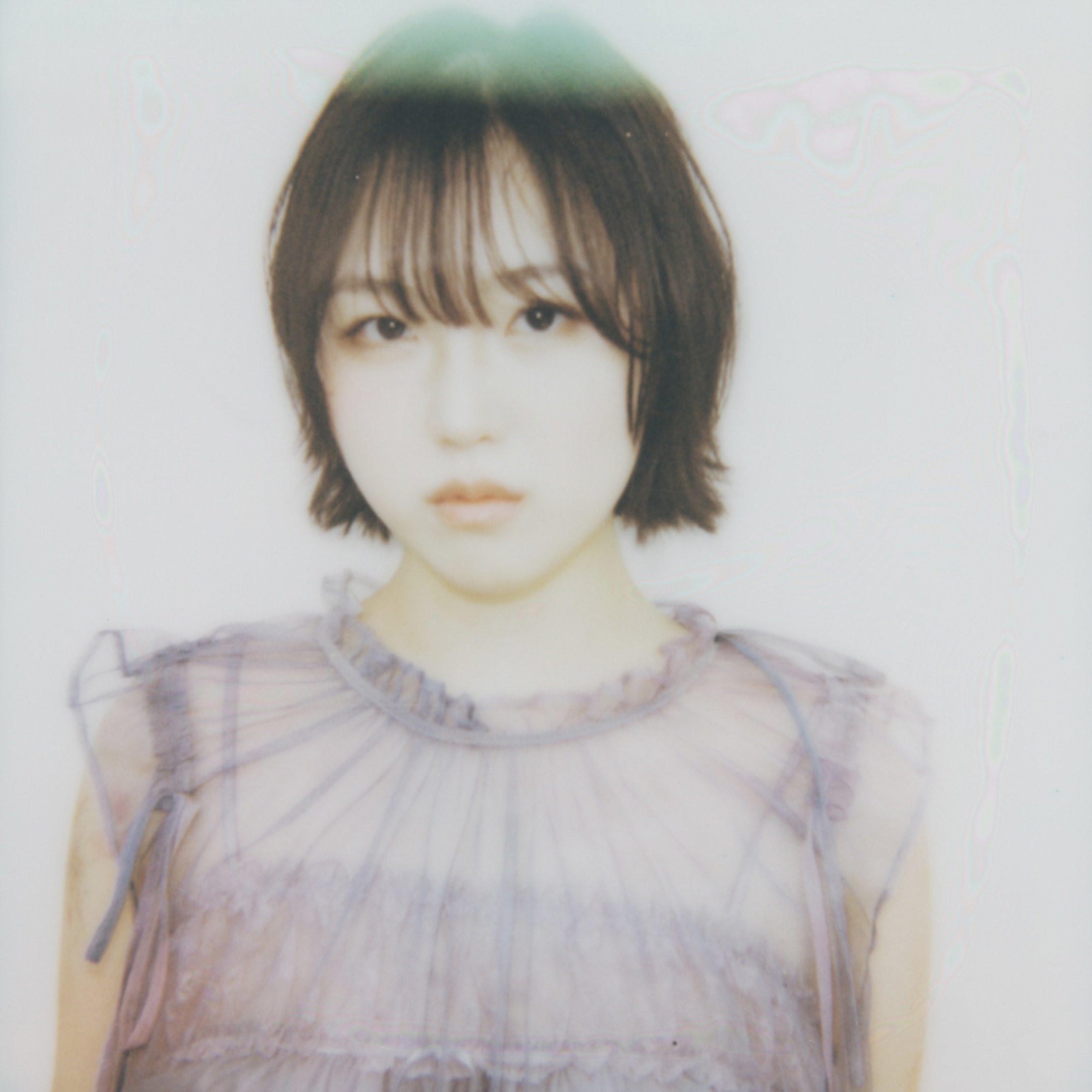
There’s something gentle about the way WISUE speaks. Not just in her music, but in the way she talks about emotions, memories, and even herself. During our conversation, what stood out most wasn't a desire to explain everything, but rather an appreciation for the moments that are difficult to fully capture. The same way a photograph preserves a feeling, WISUE hopes her music can do the same.
“I’d like to introduce it as music that distills a moment of emotion into a single photograph.”
It’s a description that feels fitting. Even outside of music, WISUE describes herself as someone who exists somewhere between being delicate and rough around the edges. Though she admits she still doesn't completely understand where that line lies, she believes both sides came naturally over time.
“I’ve been sensitive and delicate since I was young,” she says. “At some point, that started to wear me out, so I think I unconsciously created a bit of looseness in myself to balance it out.”
Her relationship with music began unexpectedly at fourteen. After turning on the television one day, she happened to catch a composer talking about the story behind one of their songs. Something clicked immediately.
“Suddenly I thought, ‘Oh, that’s what I want to do.’”
Since then, every song has carried a piece of herself. Still, she points to “Dear My Last Summer” as one of the first times she truly felt her thoughts and personality were reflected in her work.
Unlike artists who create in the middle of emotional chaos, WISUE prefers to wait until everything settles.
“When I write while my emotions are still unsettled, it’s hard for me to actually finish a song,” she explains. “I think I create best when I can look at the situation from a third person’s perspective.”
That sense of reflection found its way into her latest EP, ‘to.’ Released alongside the tenth anniversary of her debut, the project was inspired by something surprisingly simple: letters.
After writing an email to fans for her ninth anniversary, WISUE received replies filled with sincerity and warmth. The experience stayed with her, leading her to continue sending monthly letters leading up to her tenth anniversary. Naming the album ‘to.’ felt natural.
“When you write a letter to someone, you start with the word ‘to.’ first,” she says. “Once I write that word down, every single letter after it feels careful and precious.”
That same care shaped the music itself. WISUE intentionally stripped the arrangements down, wanting the songs to breathe with only a voice and a handful of instruments. Instead of asking what else she could add, she found herself constantly asking what she could remove.
Along the way, she questioned whether such simplicity made sense in an era where music often feels bigger and more elaborate than ever.
Then one day, after finally finishing “to. me,” she went for a walk with the song playing in her headphones.
“I started crying,” she recalls. “I still don’t know why.”
After agonizing over the track for so long, the moment brought an unexpected sense of certainty.
“Ah, I think this is right.”

Though listeners might assume the softness of her music reflects a quiet personality, WISUE laughs at the idea. Around people she loves, she's much brighter than people expect.
“I actually talk a lot and laugh easily.”
Perhaps what stayed with me most, though, was the way she spoke about memories. Whether they're joyful, painful, or bittersweet, she returns to them repeatedly, turning them over in her mind until they settle somewhere permanent.
“I keep turning them over in my mind so they don’t fade away.”
Maybe that’s why ‘to.’ feels less like closure and more like an opening sentence. WISUE sees the project as a continuation rather than an ending.
“You write ‘to.’ at the beginning of a letter, not the end,” she says. “So isn’t there always more left to say?”
And maybe that's what she hopes remains long after the music ends—not just melodies or lyrics, but the version of herself that existed in that moment.
“I want to leave behind the me of that moment.”
For WISUE, songs aren’t simply recordings. They’re memories, waiting for someone to return to them years later and suddenly remember who they were when they first heard them.