The Making of HORNETS: RAYCCOLE on Control, Creativity, and Change
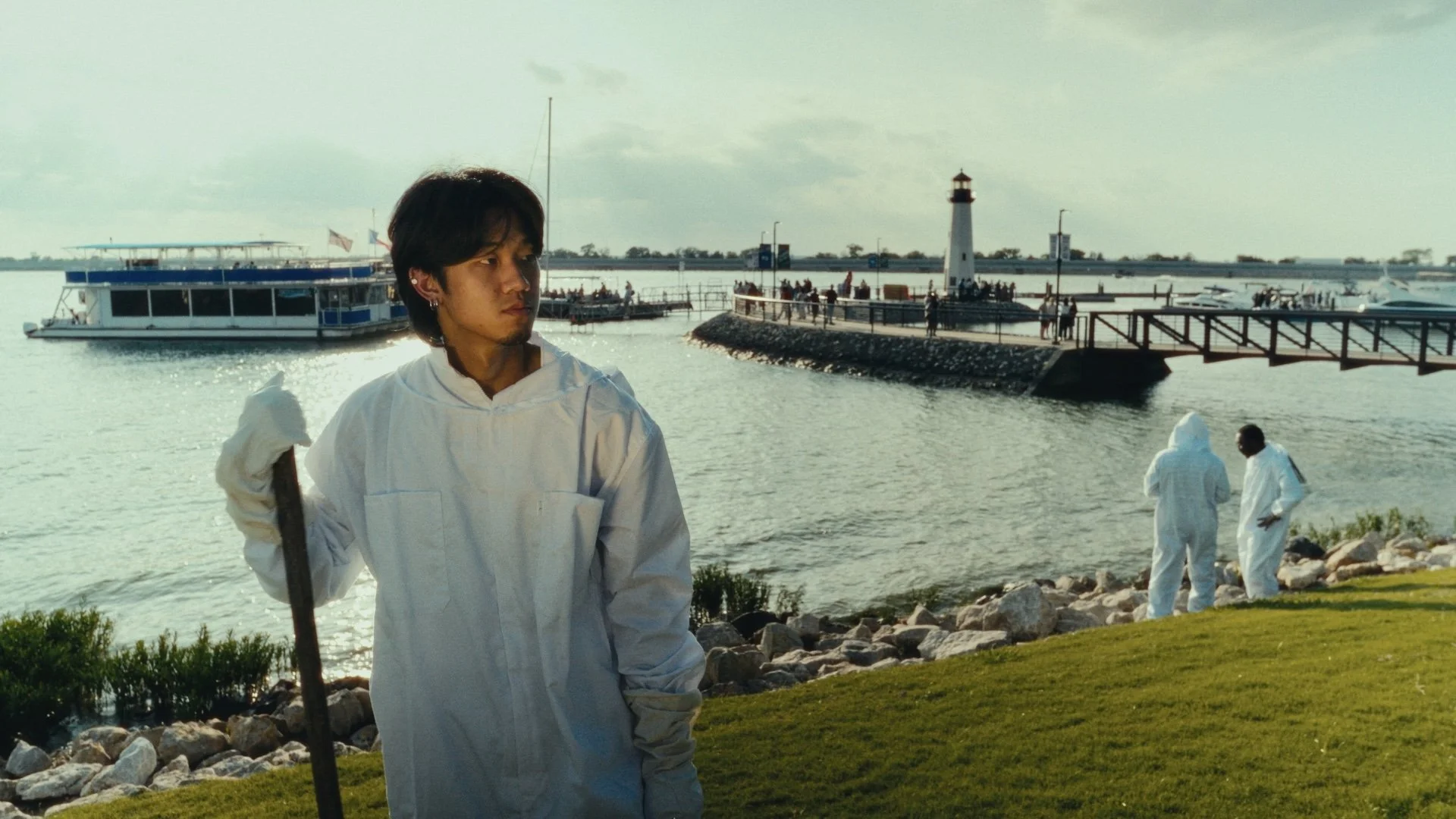
Meet RAYCCOLE through this exclusive interview, where we sit down to talk about his debut album HORNETS, the creative process behind it, and what it was like spending the last year slowly putting the project together. As our conversation unfolds, one thing becomes clear: Ray rarely forces an idea. Whether he's producing a song, building his website, or deciding if a track is ready to release, he gives himself the time to figure out what feels right instead of rushing toward an answer.
For Ray, creativity has never started with having every answer figured out. A song can begin with a feeling, a visual idea, or simply something he wants to experiment with. Instead of creating around a specific image, he lets those ideas develop over time and decides where they belong along the way.
That approach became a major part of HORNETS, his debut album and a project that reflects where he is right now as a musician. The album wasn’t created from one specific plan. It came together slowly as Ray continued making music, noticing connections between songs, and realizing certain ideas belonged together.
What follows is a conversation about HORNETS, but also about patience, creative control, and learning how to trust the process even when the final version isn’t always clear from the beginning.
Building a World Without Forcing One
Before listeners hear HORNETS, they are introduced to the world surrounding it. From his website to the visuals connected to his music, Ray has created different ways for people to experience his work beyond just the songs themselves.
The interesting part is that Ray doesn’t describe this as something he carefully planned from the start. Instead, it happened naturally through ideas that he wanted to bring to life.
“I don’t really plan my aesthetic,” Ray explains. “It’s really just a lot of whatever ideas I come up with. I just think, ‘Oh, that’ll be really cool to execute.’”
As those ideas continued to build, they started creating something bigger around his music. The aesthetic wasn’t something Ray had to force into existence — it became something that developed alongside the work itself.
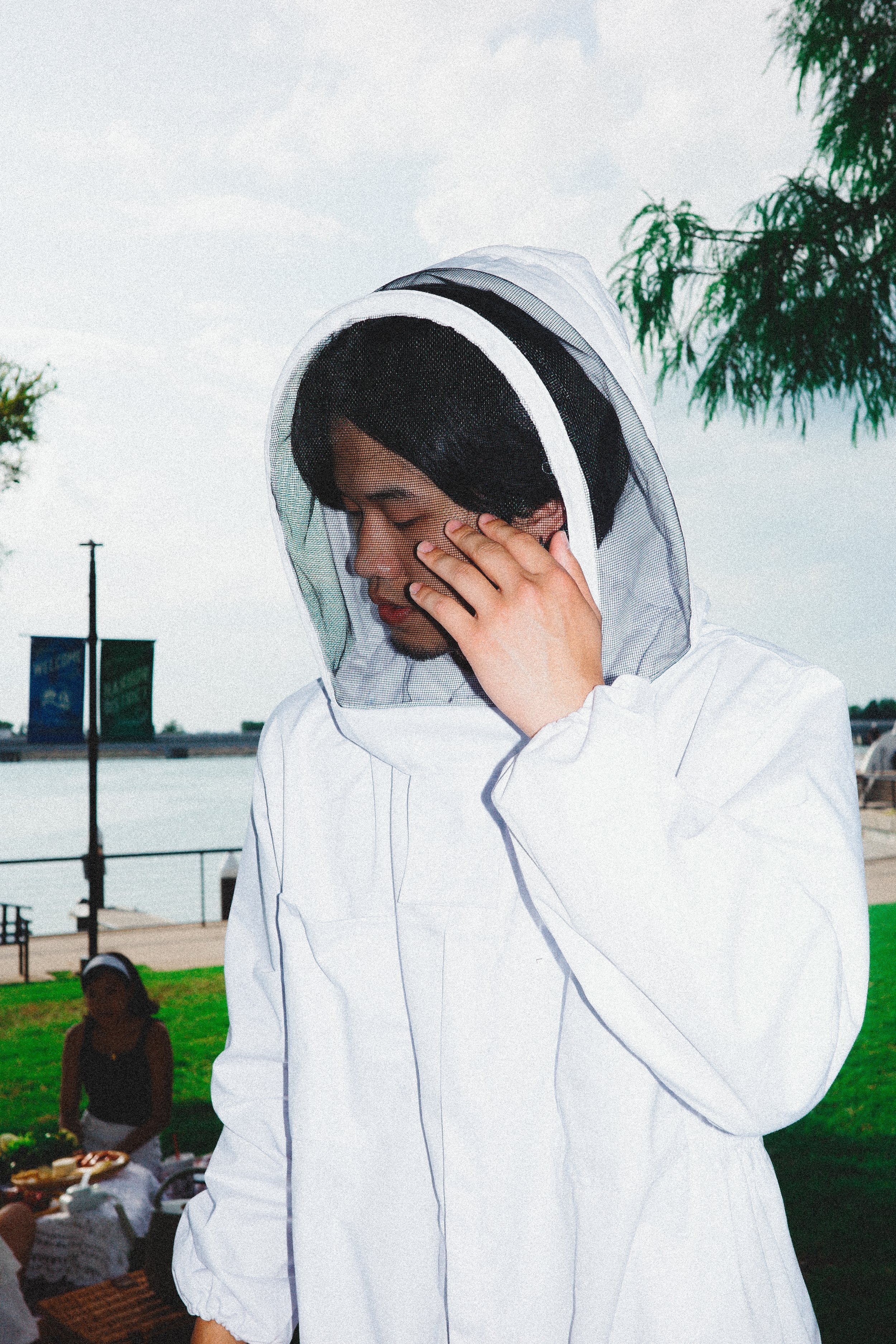
When Ray talks about his creative process, one thing remains consistent: the emotion behind the idea always comes first.
“The feeling is always the number one priority,” he says. “Everything that I make is just based on how I’m feeling at that time or a feeling that I want to portray.”
That same mindset carries into the way he approaches projects. Before deciding where a song belongs or how something should sound, Ray focuses on what he wants someone to experience.
With HORNETS, that process allowed him to create an album that feels connected to a specific moment in his life. Rather than trying to present a perfect version of himself, Ray describes the project as a reflection of where he is now.
“I feel like this version is a little more chill, but more substance,” he says. “It’s not like the final version of me, but it’s definitely just a more experienced version of me as a musician.”
The distance between where Ray started and where he is now is something he notices when looking back at his earliest music.
At the time, creating songs was something he did for fun. The sound was different, the approach was different, and he wasn’t thinking about music in the same way he does today.
“I wasn’t really taking music seriously back then,” Ray says. “It was more like something I did for fun. Now I’m taking it a lot more seriously, but I’m still having a lot of fun with it.”
That last part is something Ray continues to hold onto. Even as his music has become more intentional, the enjoyment behind creating hasn’t disappeared.
One of the biggest differences with HORNETS was the amount of control Ray had over the entire project. Writing, producing, mixing, and mastering the album himself allowed him to make decisions based on the exact ideas he wanted to express.
“Having complete control of that, I was able to execute the ideas I have a lot more clearly,” Ray explains. “I feel like that shows me a lot better through the album and shows my style a lot better too.”
That control also came with a different level of responsibility. Every choice became something Ray had to work through himself — from adjusting production choices to figuring out when something finally felt finished.
While the finished album represents a confident moment for Ray, the process behind it included plenty of uncertainty.
Some of the parts he appreciates most now were the same moments that were the hardest while creating. Redoing takes, fixing mistakes, and realizing certain ideas weren’t working became part of the process rather than something to avoid.
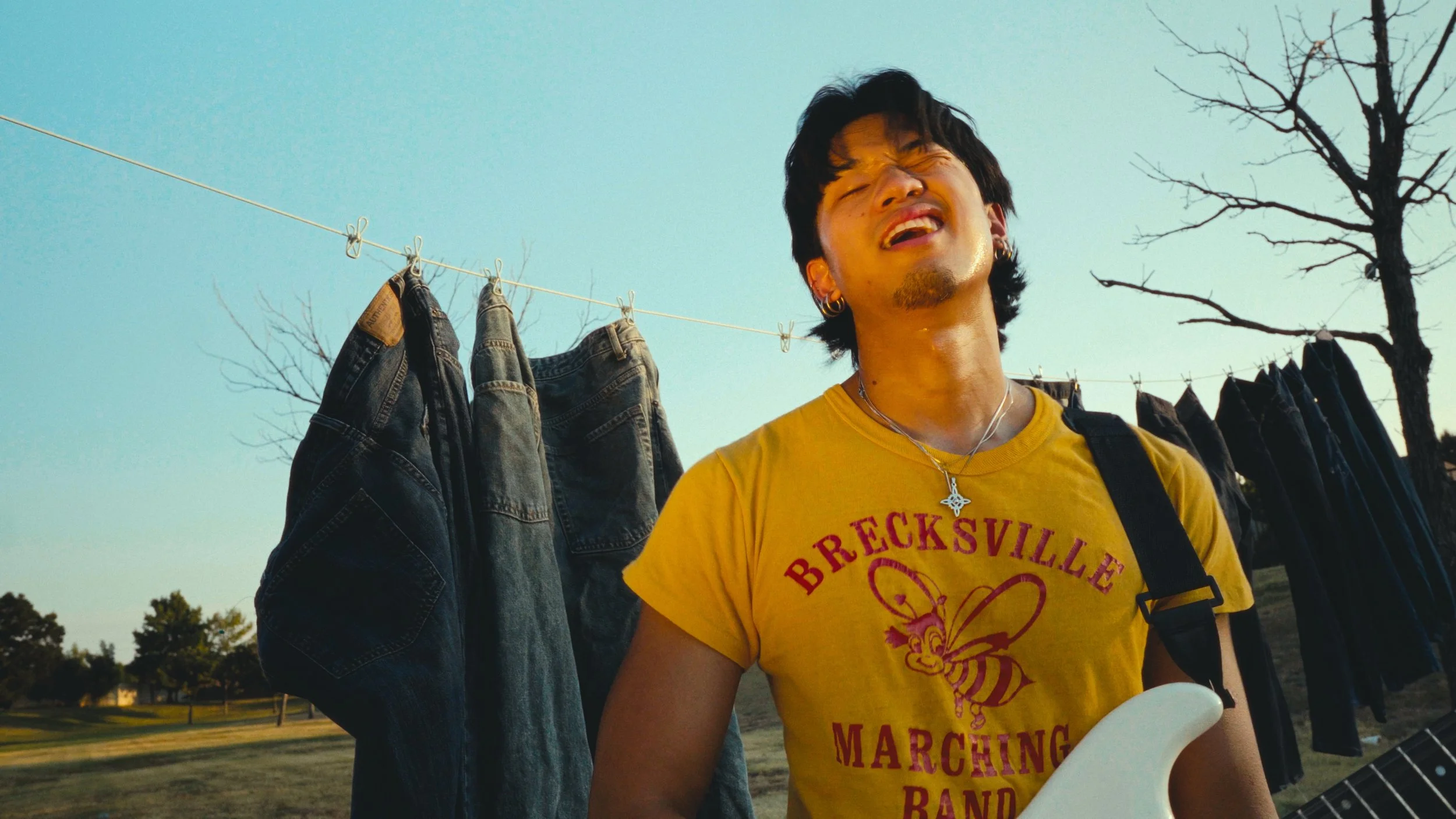
“I think the part I’m most grateful for is all the frustrating time trying to get it right,” Ray says. “At the time it was really frustrating because I wanted to finish this project, but after finishing it, all the struggles, I’m really grateful for.”
The frustration wasn’t separate from the album — it became part of what shaped it.
Ray’s patience with music also shows in how he decides what is ready to be shared. Instead of rushing a song from creation to release, he allows himself time to sit with it.
“I never made a song and released it the next week,” he says. “I always sit with it at least for like a month. But there’s some songs where I sat with it for like a year.”
For Ray, time gives him the ability to understand whether a song truly represents where he wants to go.
With so much focus placed on numbers, streams, and outside expectations, Ray’s perspective comes back to something much simpler: enjoying the act of creating.
“To be honest, I think having fun is the best way to go at it with music,” he says. “The feeling of having fun and the consistency of just making music is what I think artists should focus on.”
That mindset also connects to what Ray is still working toward. He isn’t chasing improvement because he feels like something is missing. Instead, he’s excited about how much more there is to learn — from production to performing and everything in between.
When asked what he hopes listeners take away from HORNETS, Ray doesn’t point to one specific message. The album wasn’t created around trying to control how people would receive it.
“Whenever I write, it's really for me and my future self,” he says.
It's an answer that feels fitting for HORNETS. The album doesn't try to be everything at once. Instead, it captures the ideas, emotions, and experiences that mattered to Ray while he was making it.