Preston Pablo on “Don’t Wanna Know” and the Songs That Waited
By Alicia Zamora
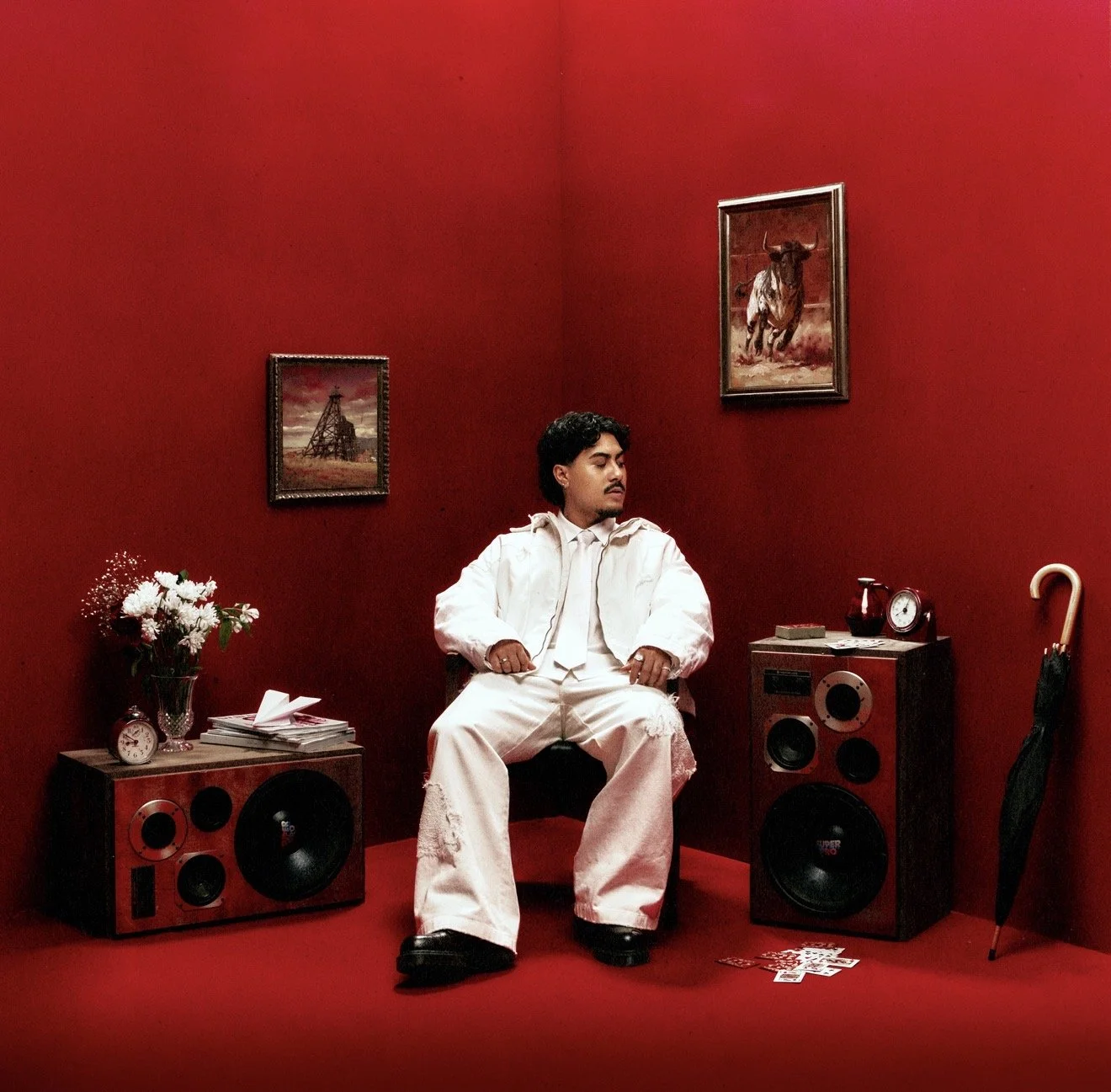
Meet Preston Pablo through this exclusive interview for Alicia’s Studio, where we sit down with the Canadian pop artist to talk about his latest EP Almost Always, the songs that have stayed with him for years, and the new chapter he’s stepping into in 2026. What starts with a look back at where he began quickly turns into a conversation about confidence, creative growth, and finally feeling more connected to the music he’s making.
Born and raised in Timmins, Ontario, Preston has spent the years since his 2024 debut EP Anywhere But Here figuring out what he wants his music to sound like—and, in a lot of ways, figuring out who he wants to be as an artist. “I’m really just figuring it all out and writing songs along the way,” he says. “Trying to do my best and make cool stuff.”
That mindset has followed him into Almost Always, a collection of songs that represents the space between stepping away from music and finding his way back to it. Across the EP, Preston moves between vulnerability, confidence, heavier lyrics and brighter production, allowing each song to capture a different point in that process.
“I feel a lot more connected to the art I’m making,” he says of where he is today. “I’m excited about creating again. I enjoy the process, the people I’m creating with, and I’m also excited for what’s to come.”
There’s a noticeable sense of clarity in the way Preston talks about this era. He isn’t presenting himself as someone who has everything figured out—in fact, he’s pretty open about still having room to grow. But compared to the artist fans first met through songs like “Flowers Need Rain” and “Dance Alone,” there’s a confidence in knowing what he likes, what he wants to explore, and what kind of music actually excites him.
Finding His Way Back to the Music: Almost Always
For Preston, Almost Always isn’t just a collection of songs. It represents the period between where he was and where he is now.
“This EP to me represents the time in between, where I took some time away from writing and releasing to now,” he explains. “It’s me trying to figure out my sound, my place as an artist.”
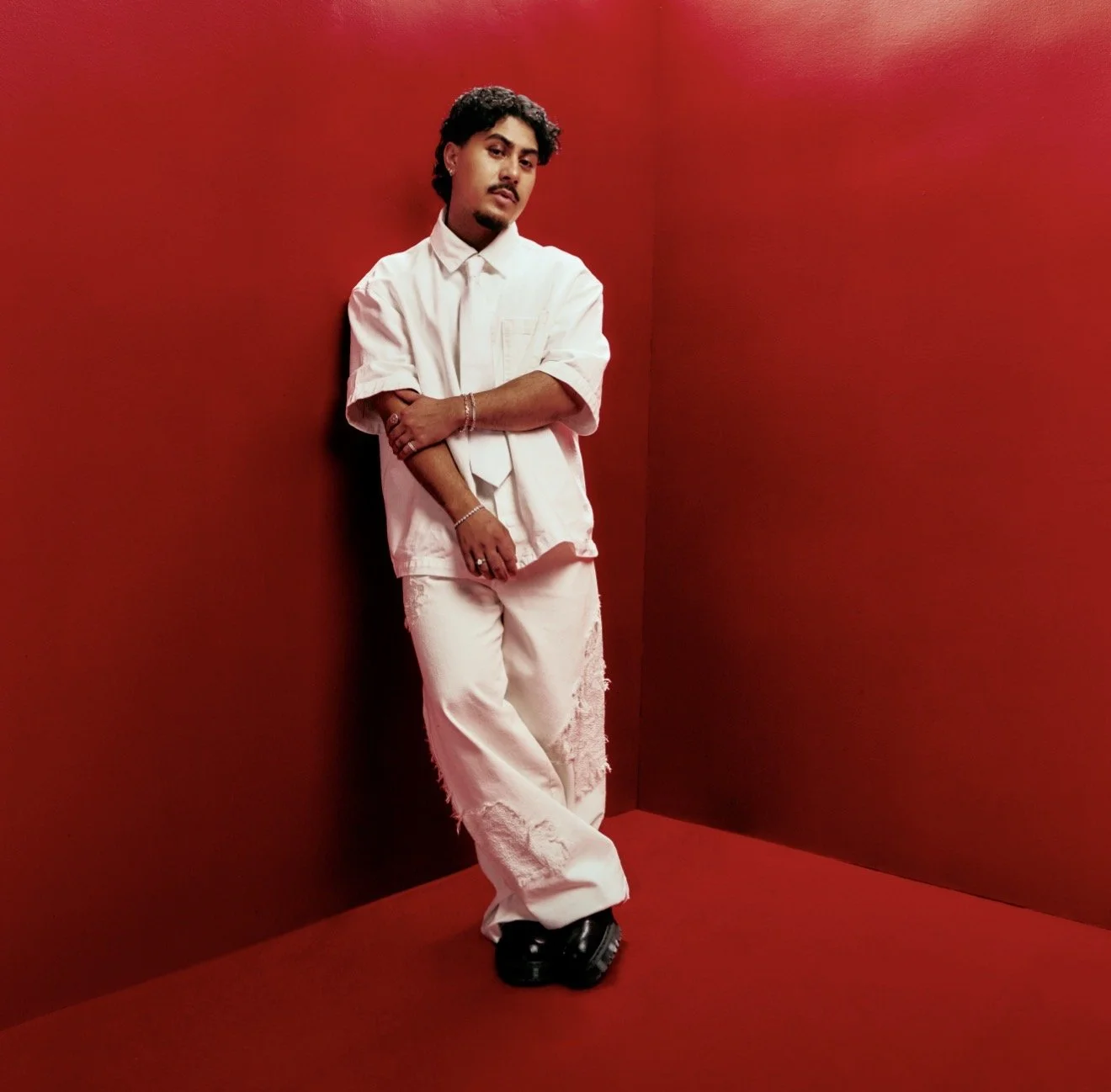
Each song became its own “moment in time,” with the project ultimately serving as a collection of stepping stones toward the headspace he’s in now. That process also gave him a chance to recognize something about himself as a songwriter: he’s always been good at putting feelings into words, but he tends to direct that emotional honesty outward.
“One thing I discovered is that I’m good at communicating and conveying emotion towards someone else,” he says. “It’s easy for me to write about how I feel about someone else or how they might feel about me, but I realized I don’t look inwards all that much. It’s something I would love to start exploring more.”
That realization adds another layer to Almost Always, especially as the EP moves between songs like “Tidal Wave” and “Selfish.” There’s vulnerability throughout the project, but Preston isn’t interested in keeping the sound heavy just because the subject matter is.
“Don’t Wanna Know” might be one of the clearest examples of Preston’s ability to let the production and lyrics exist in two different emotional spaces.
The song deals with heavier subject matter, but its upbeat, effortless production creates an almost unexpected contrast. For Preston, though, that combination has never felt unusual. It’s something he’s naturally drawn to.
“It’s something I just enjoy doing,” he says. “I’ve always liked writing heavy lyrics and contrasting them with upbeat production.”
He points to “Cause I Do” as another example, noting that while the lyrics are vulnerable and carry a more emotional tone, the song itself doesn’t necessarily feel that way. It’s a balance that seems increasingly central to the direction he’s interested in pursuing.
Interestingly, “Don’t Wanna Know” isn’t a new song at all. Preston originally wrote it around four years ago with Soran and Zach Zoya, long before it found its place on Almost Always.
“I’ve always just loved the song,” he says. “I think it just never really fit my project until now.”
Hearing it again years later also brings Preston back to the emotions that inspired it, although the experience of those emotions has changed. “I think the feelings just aren’t as intense as they were,” he explains. “There was probably a specific reason why I felt like writing that song on that day. Whatever it was at the time felt important.”
Now, he finds himself more connected to the song than the exact feeling behind it. “I’m more connected to the song itself than the feeling that inspired it, I think.”
Preston’s relationship with Soran and Zach Zoya goes back to the early days of his career, making their creative chemistry feel less like a calculated collaboration and more like a natural one.
“They’re just really great guys,” Preston says. “They’re both super nice, genuine people. Of course they’re very talented, but I think the more people you meet and work with, it becomes clearer every time how important real connection is.”
For him, that connection doesn’t necessarily mean everyone in the room needs to be best friends. What matters more is the energy people bring into the creative process.
“Being in a room with good-intentioned, honest, open people makes all the difference,” he says.

That same trust came through when Preston first heard Soran’s finished production for “Don’t Wanna Know.” His immediate reaction was excitement. The production felt fresh, experimental and different from what he had been putting out at the time.
“I almost wish I pursued this kind of sound more at that time,” he admits. “I definitely wanted to, but I’m sure I was just too scared.”
Looking back, he describes some of his earlier music as “very safe,” though he’s careful not to frame that as a negative. Now, though, he’s more interested in pushing toward the sounds that genuinely excite him.
If this year feels like the beginning of a new chapter, Preston says it’s because almost everything about him has changed.
“Honestly, everything is different,” he says. “I’m so different as a person. My taste as an artist is very different. My whole thought process and operating system is quite different, but mostly the music.”
That difference is something he can hear in the records themselves. He feels the songs are more polished, his vocal performances have grown, and he feels more present when he’s recording.
“I feel more present and confident on the songs,” he says.
That confidence extends beyond the music, too. After experiencing viral moments, winning a JUNO and touring while continuing to develop his sound, Preston says the biggest change has happened in his headspace.
“I’m a lot more aware of what I want and how I want to do it,” he explains. “When it comes to the music, the content, the branding, the style, everything really.”
He’s not claiming to have everything figured out. Instead, he feels more comfortable trusting his own instincts.
“Not saying I have it all figured out,” he says, “I just feel a lot more confident in what I like and don’t like.”
That confidence is something Preston is looking forward to bringing with him to his upcoming Ontario shows. More than anything, he’s excited to finally perform this new music in front of people.
“It’s really fun for me to play songs that are fresh,” he says. “I think it’s really important for anyone performing on a stage to be enjoying what they’re doing. That’s what really translates, in my opinion.”
He also feels more comfortable simply being himself onstage, which has changed the way he approaches performing as a whole.
“I’m also a lot more comfortable being myself on stage, which really helps with the whole show,” he says.
And as for what comes next, Preston isn’t planning on slowing down anytime soon. If Almost Always represents the process of finding his footing again, the rest of 2026 is about putting that renewed confidence into motion.
“A lot more music,” he promises. “I have so many songs ready to be released, and I plan on releasing it all this year.”