Mikayla Geier on “HOTLINE,” Confidence, and Creating Worlds Through Music
By. Alicia Zamora
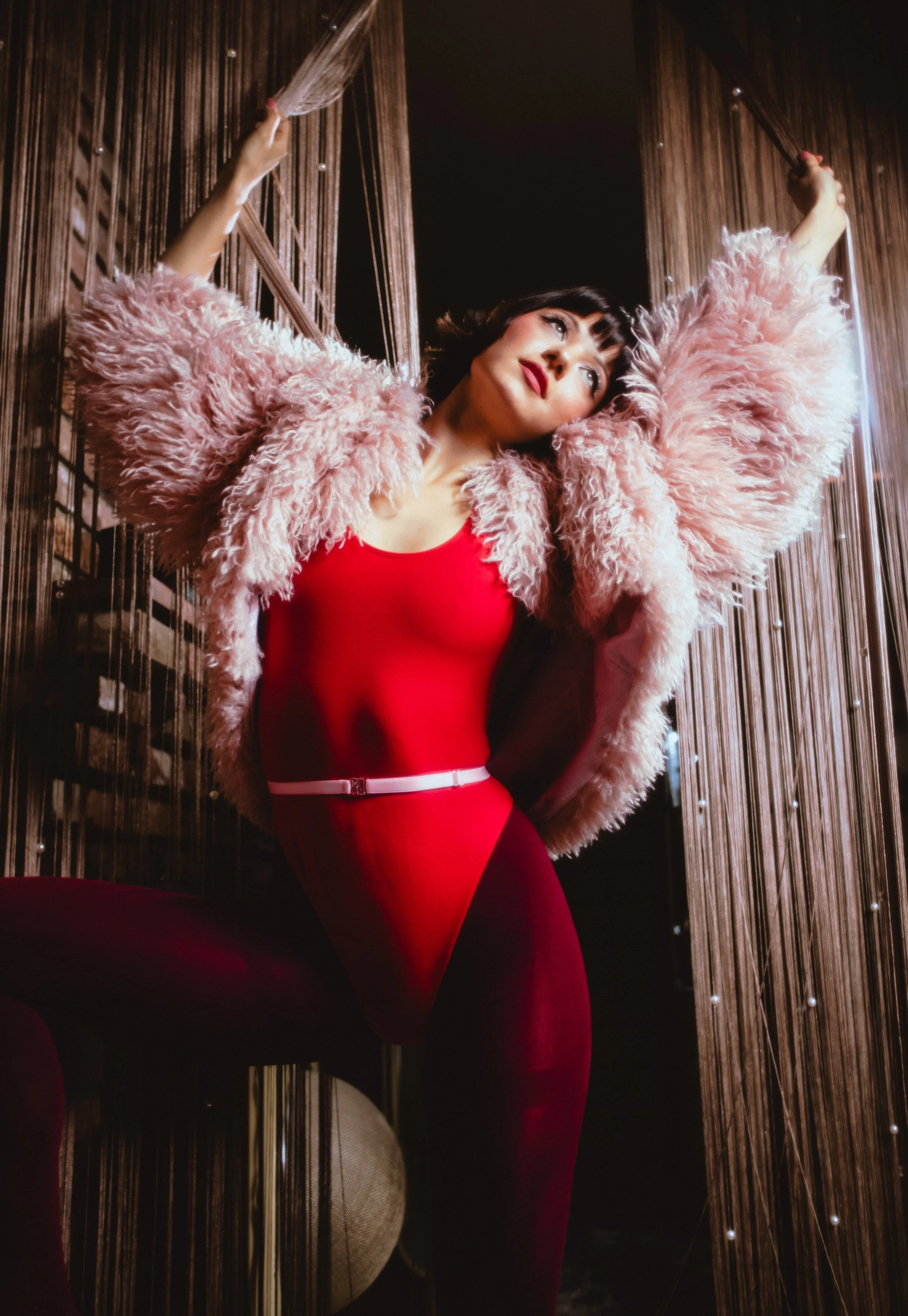
Mikayla Geier Wants Pop to Feel Alive Again
In this exclusive interview, Mikayla Geier opens up about her latest single “HOTLINE,” the theatricality surrounding her recent work, and the balance between humor, vulnerability, and performance that continues to shape her artistry.
At first glance, “HOTLINE” feels playful—bright disco textures, sharp choreography, cheeky writing, and an energy that never takes itself too seriously. But beneath that surface is something more intentional. Throughout her responses, Mikayla repeatedly returns to the idea that music doesn’t have to separate emotional honesty from fun.
“I don’t believe music needs to just be serious or just be witty,” she explains. “Much of my music has both a cheeky and serious side to it.”
That balance becomes the emotional center of how she talks about this current era. Coming from what she describes as “a more serious ballet background,” Mikayla says making “HOTLINE” felt unusually freeing. “The process for this one was actually very easy for me, which isn’t always the case,” she says, emphasizing how naturally the track came together compared to past releases.
Even with its glossy pop-disco energy, she’s careful not to frame the song as surface-level escapism. Instead, she points toward the tension sitting underneath it. “HOTLINE for example has a very pop disco feel,” she says, “but the verses contextualize it into something more serious.”
Rather than controlling how listeners interpret that contrast, she seems more interested in letting audiences emotionally project themselves into the music however they need to. “My hope is that people can relate to it in their own individual ways and have fun at the same time.”
As the interview shifts toward visuals and performance, it becomes clear that Mikayla doesn’t separate music from imagery. Her songs aren’t just tracks to her—they’re environments.
“Because of my ballet background I really love creating worlds by combining my music with visuals that really make it an experience,” she explains.
That instinct shapes nearly every stage of her creative process. Even while writing, she’s already thinking visually, imagining choreography, staging, and atmosphere alongside the music itself. But interestingly, those worlds don’t always begin visually.
For “HOTLINE,” the starting point was sound. Mikayla recalls producer CJ Baran “laying down some really inspiring sounds referencing some classic French sonics” she was immediately drawn to. “It led to a perfect jumping off point for me to start writing to.”
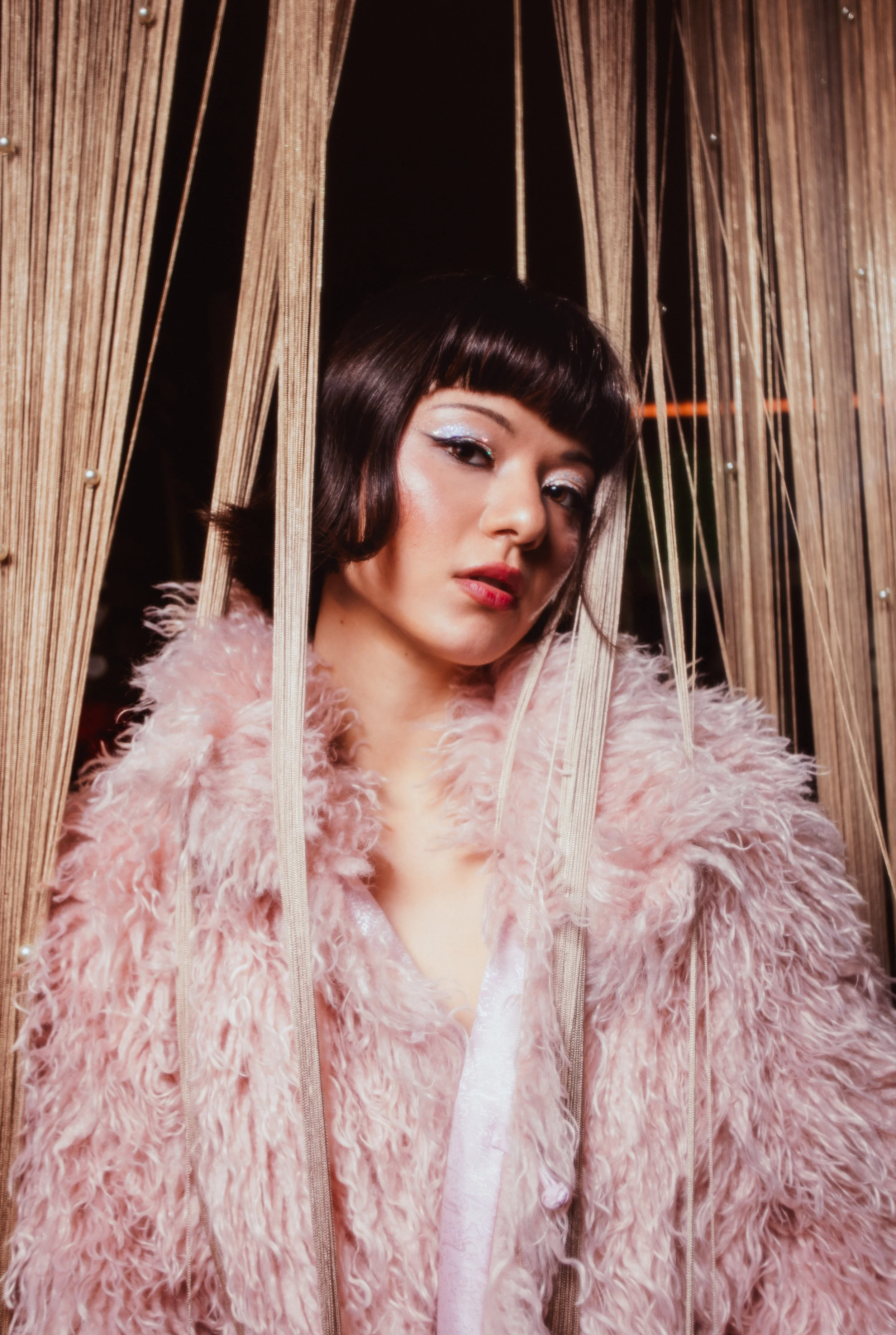
What stands out most throughout her answers is how instinctive the process still feels despite the cinematic presentation surrounding it. She doesn’t speak about artistry in overly calculated terms. Often, inspiration arrives first, and the larger world builds around it afterward.
“Sometimes I just get inspired by something and figure out how to incorporate it and build from there,” she says. “But I love creating worlds so it’s always the goal.”
That same theatricality is now becoming even more central as she prepares for tour. “The dancing, the transitions, and really thinking through my performances for live audiences has been my focus throughout rehearsals,” she explains, describing live performance less as an extension of the music and more as part of the music itself.
Humor, Vulnerability, and Emotional Translation
One of the most compelling tensions throughout Mikayla’s responses is the way humor functions alongside vulnerability. She doesn’t treat wit as something separate from emotional honesty. Instead, she sees it as another language for expressing it.
“A bit of all of these,” she says when asked whether humor acts as protection, storytelling, or emotional translation. “I love incorporating humor into my music for both exactly what it is and also to complement whatever story I’m telling.”
That layered approach extends into her songwriting process as well. Lyrics often shift meaning while she’s creating them. “Sometimes tweaking a line to have a different intention than I originally planned,” she explains, describing how songs gradually evolve emotionally over time.
Even her understanding of confidence feels rooted in growth rather than performance. “I’m really just enjoying what I’m doing,” she says. “The older I get, the more I’m getting to know who I am, and that certainly allows me to shape my art more confidently.”
There’s a noticeable openness in the way she talks about herself as an artist—less interested in appearing untouchable and more interested in remaining honest about still evolving creatively.
That honesty becomes especially clear when discussing what she still hopes to understand about herself moving forward.
“I never imagined this is what my life would turn out to be,” she admits. “Growing up, I wanted to be a ballerina, and I’ve always loved performing, but I think now I’m learning to trust my instincts more and leaning into what inspires me. That’s what keeps me going.”
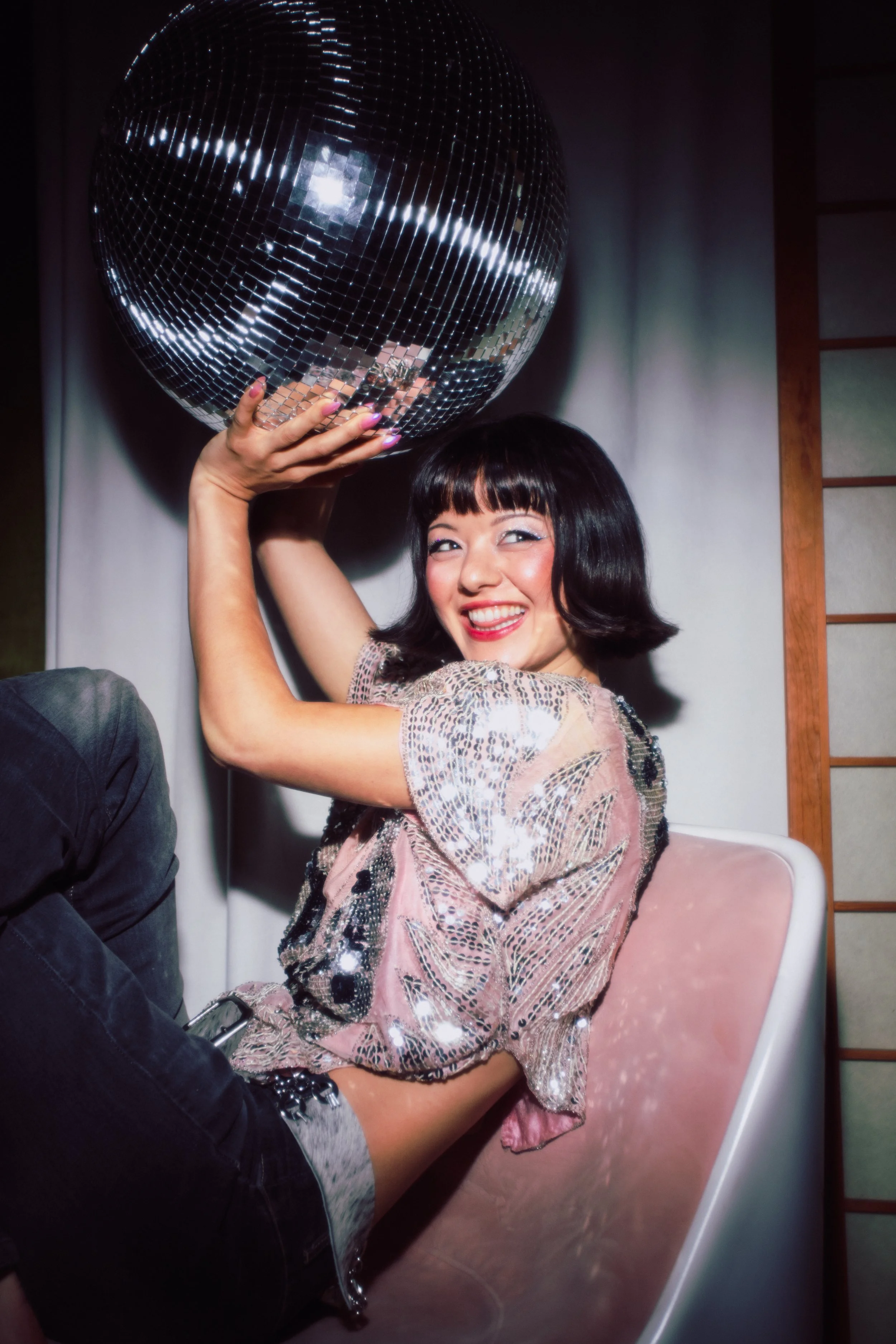
Even as conversations around Mikayla’s work become larger—touring, visuals, performance, growing audiences—she repeatedly returns to something quieter: trust.
When asked what “quiet” looks like creatively, her answer shifts away from spectacle entirely. “I think the core of my music and creativity is working with collaborators who I’m comfortable with and whom I trust,” she says. “That’s been a really big turning point for me, both creatively and as a person.”
By the end of the interview, what emerges most clearly is not just an artist interested in aesthetics or performance, but someone deeply invested in connection. Even five years from now, after larger stages and bigger worlds inevitably arrive, the thing she hopes remains unchanged is her relationship with the audience itself.
“I hope that I can still connect with my audience in the same way,” she says. “They’re such an encouraging and creative community that I hope we can evolve together over the next five years.”
For Mikayla Geier, artistry doesn’t seem to come from choosing between softness or sharpness, sincerity or humor, intimacy or spectacle. It comes from allowing all of those contradictions to exist together at once—and trusting the audience enough to sit inside them with her.