Mason Ignacio Is Learning to Let the Music Speak for Itself
By. Alicia Zamora
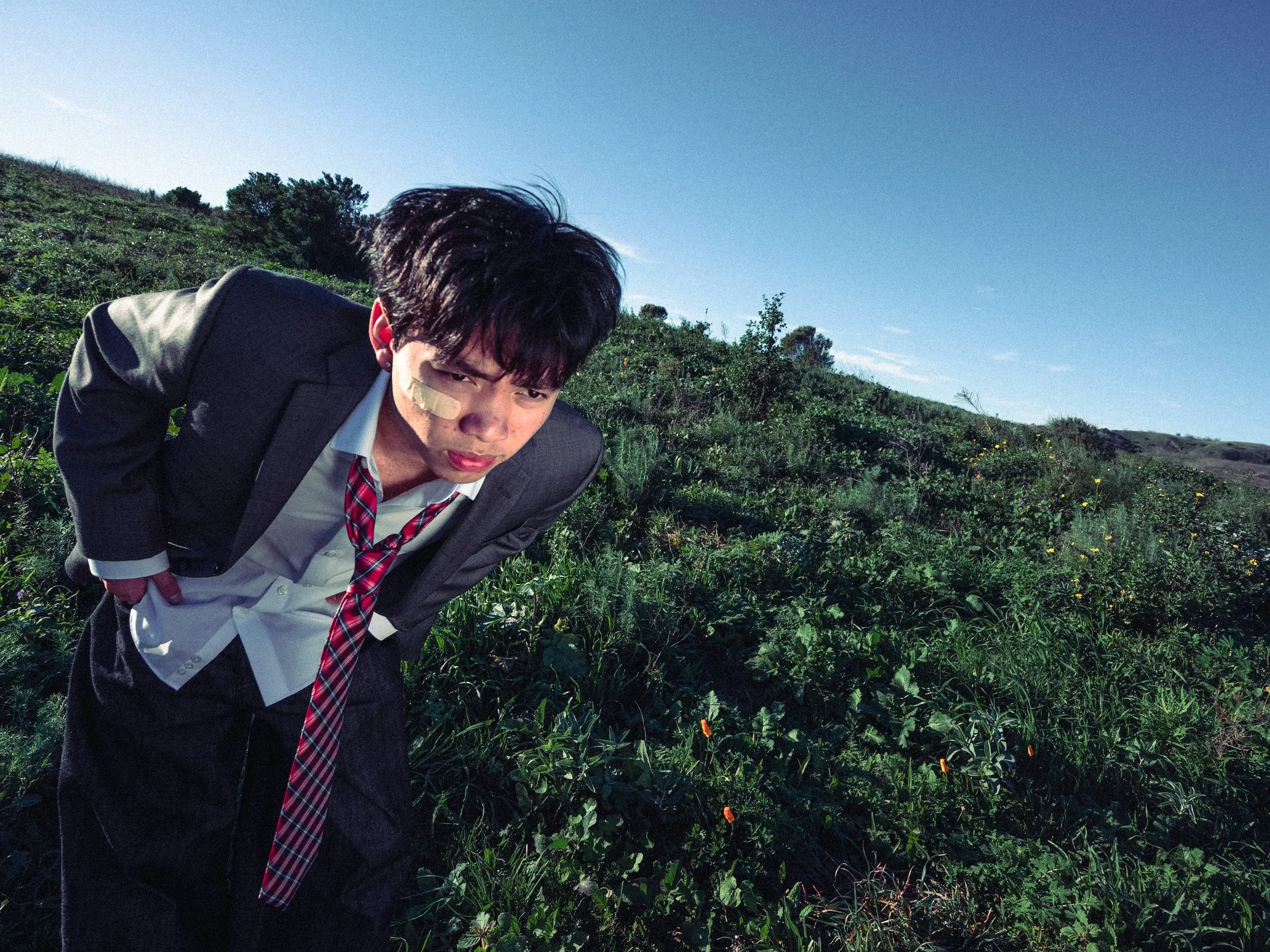
There’s a specific kind of honesty that shows up when someone has spent enough time alone with their thoughts that they stop trying to dress them up. When I spoke with Mason Ignacio, that honesty surfaced quickly — not as a performance, but as something already in motion. The conversation moved through grief, creative pressure, and the quiet process of learning how to let music exist without over-controlling it.
For Mason, the starting point of his artistry isn’t just inspiration — it’s absence.
“I feel like the experiences I’ve had with grief and loss have strongly shaped me into the artist I am,” he says. In recent years, family loss and romantic heartbreak pushed him into long stretches of solitude, where the only thing left to do was create.
“I spent those days alone focusing on my craft and writing a lot about my emotions,” he explains. “Which helped me become more vulnerable and in tune with myself as an artist.”
That solitude didn’t just influence what he wrote — it reshaped how he writes. His music became less about constructing ideas and more about documenting internal shifts as they happened.
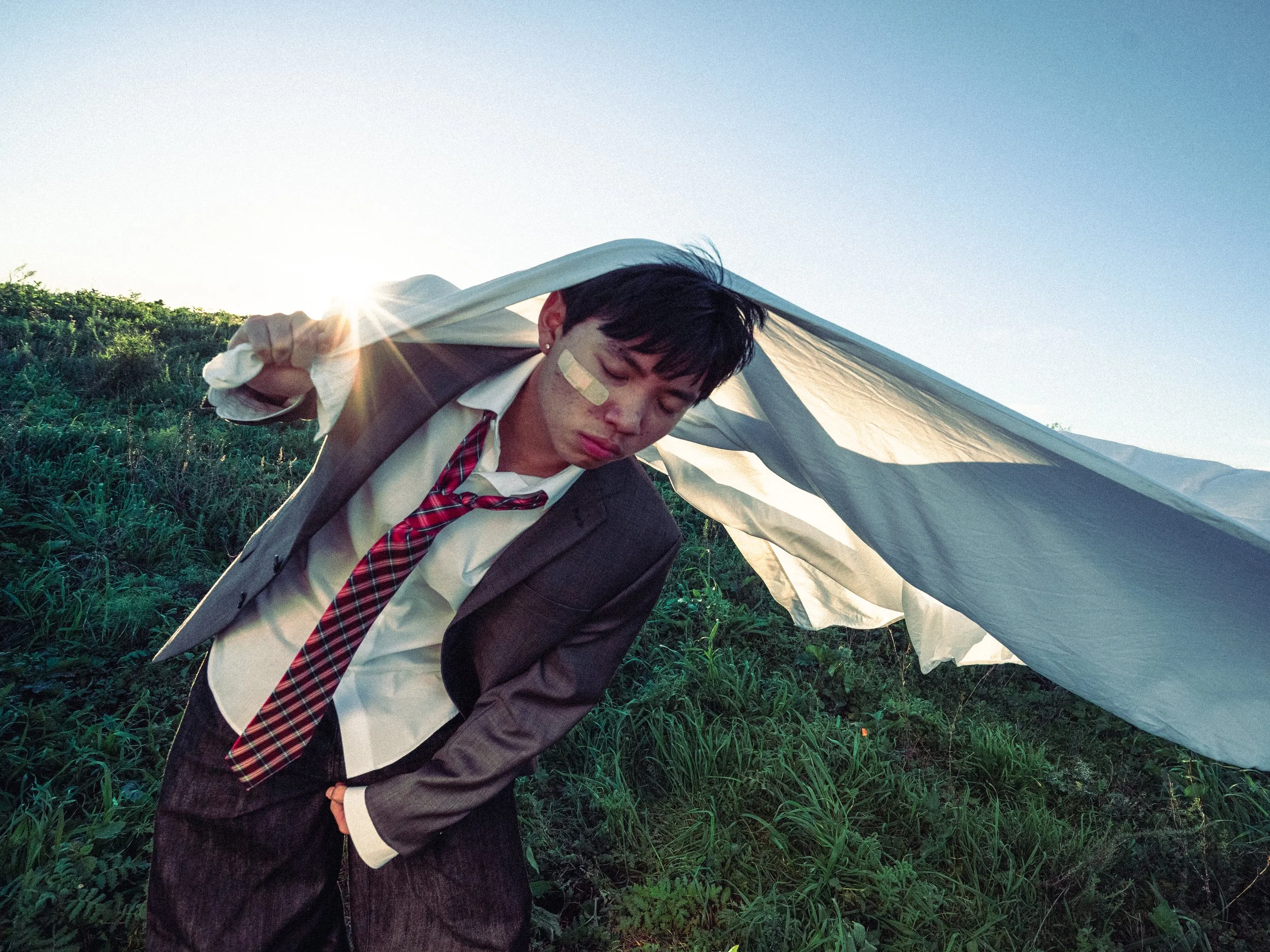
More Than One Sound
Still, there’s a gap between how people hear him and how he actually listens to music himself. One of the biggest misconceptions, he says, is that his taste is narrow. “A lot of people assume that I only listen to and make indie/alternative music,” he says. “That’s understandable given my current catalog.”
But that version of him, he explains, is incomplete. Many of the songs people associate him with were created earlier in his life, not necessarily during the same emotional or creative phase he’s in today. “I genuinely listen to everything,” he adds. “And I can’t wait for people to see my current sound… which is a lot more singer/songwriter-based.”
If there’s one thing he’s still learning to unlearn, it’s perfection.
When asked what he would tell his past self, Mason doesn’t frame it as regret — more like a habit he’s still actively breaking. “Stop making sure everything is perfect,” he says. “I would be finished with a song but keep pushing it back, changing little minor adjustments that actually tampered with the authenticity of the track.”
That tension — between what feels finished and what feels flawless — sits at the center of his process. Even now, he’s learning when to step back rather than refine.
Growing up, he says, only sharpens that awareness. The way he writes has become more reflective, almost like a record of who he is at different stages of life. “One hundred percent,” he says when asked if age changes emotion in music. “My writing has served almost like a mirror, becoming much more self-reflective.”
At 18, that mirror reflects heartbreak, insecurity, and transition — but he’s already thinking ahead with a kind of humor about where it might lead. “When I’m 70, I hope to be writing about my grandkids and back pain”. Even he laughs at the thought.
Despite how personal his music feels, Mason doesn’t separate “artist” from “self” in the way some people assume. Earlier in his career, he wrote more loosely — guided by vibe and structure rather than lived truth. But that’s changed. “All of my music is 100% my DNA,” he says. “My most authentic self has bled into these tracks and has become a true reflection of my life experiences.”

What keeps him grounded through all of it is something he doesn’t frame as strategy, but belief. “Definitely my faith in God,” he says, “and also constantly remembering why I make art in the first place.” For him, music isn’t just expression — it’s connection. A way to create something that allows other people to find themselves inside it.
When asked to reduce his mindset into a single line, his answer is immediate: “Just Shoot.”
There are still emotions he hasn’t fully translated into music yet — especially platonic love. “Love is beautiful and takes shape in many ways beyond romanticism,” he says. “I keep a small circle around me and love them to death. I’ve tried to write about how much my friends mean to me, but I still haven’t completely hit the target yet.”
Even his song “Good Time” sits in that space between intention and instinct. Built with collaborator Leon, the track wasn’t approached with heavy conceptual framing at first. “We didn’t think too deeply into it and started workshopping it as a joke, honestly,” he says.
The first verse came from a real moment — a relationship he was in at the time — but the rest evolved after the fact, shaped more by feeling than planning. “We kind of just structured the second verse off of a made-up narrative that still sounded good.”
That same instinct carried into the song’s repetition, which he admits wasn’t designed to mirror overthinking or emotional looping. “Honestly it was quite the opposite,” he says. “We were going off impulses and feeling… we couldn’t get it out of our heads.”
Still, the meaning of the track has settled into something clearer for him over time. At its core, “Good Time” is about attachment — the kind that feels overwhelming in real time. “There’s a sense of desperation and being head over heels for someone,” he says, “even if it might not be equally reciprocated.”
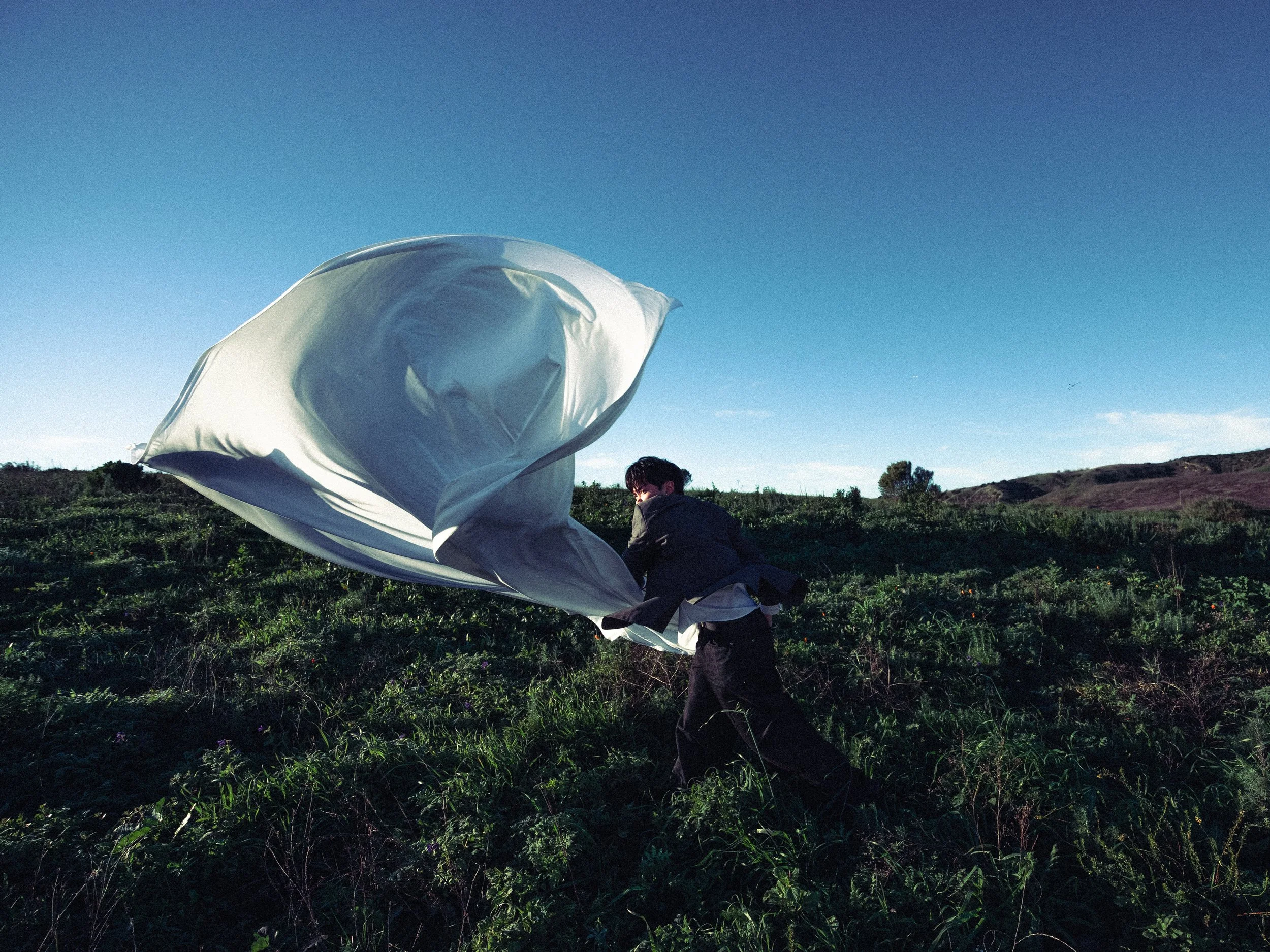
But it also holds something lighter. A reminder, almost, not to overcomplicate everything. “It represents… to have a ‘good time’,” he adds. “A lot of what I write about is very heavy and vulnerable. This song represents the brighter side of life.”
Right now, Mason says he’s building something larger than individual songs — something closer to a creative universe. “I’m building a whole creative world,” he explains. With a background in acting, film, design, and dance, music is only one piece of a wider artistic language he’s still assembling. “That’s all I’ll say,” he adds.
For listeners meeting him for the first time through this next phase, he doesn’t want the work to feel static. He wants it to feel like movement. “There’s going to be a shift and switch in creative direction,” he says. “What I have out right now is very old… what I’m building, it’s gonna get very raw and very me.”
And if there’s a direction pulling all of this forward, it’s performance.
“I’m excited to perform live again,” he says. After touring last summer and spending much of his life on stage, he’s ready to return with something different behind him — something more lived-in. As graduation approaches and a move to New York comes into view, the timing feels less like a restart and more like continuation. A buildup finally reaching sound.