Melanie Herrera and the Art of Becoming
By. Alicia Zamora
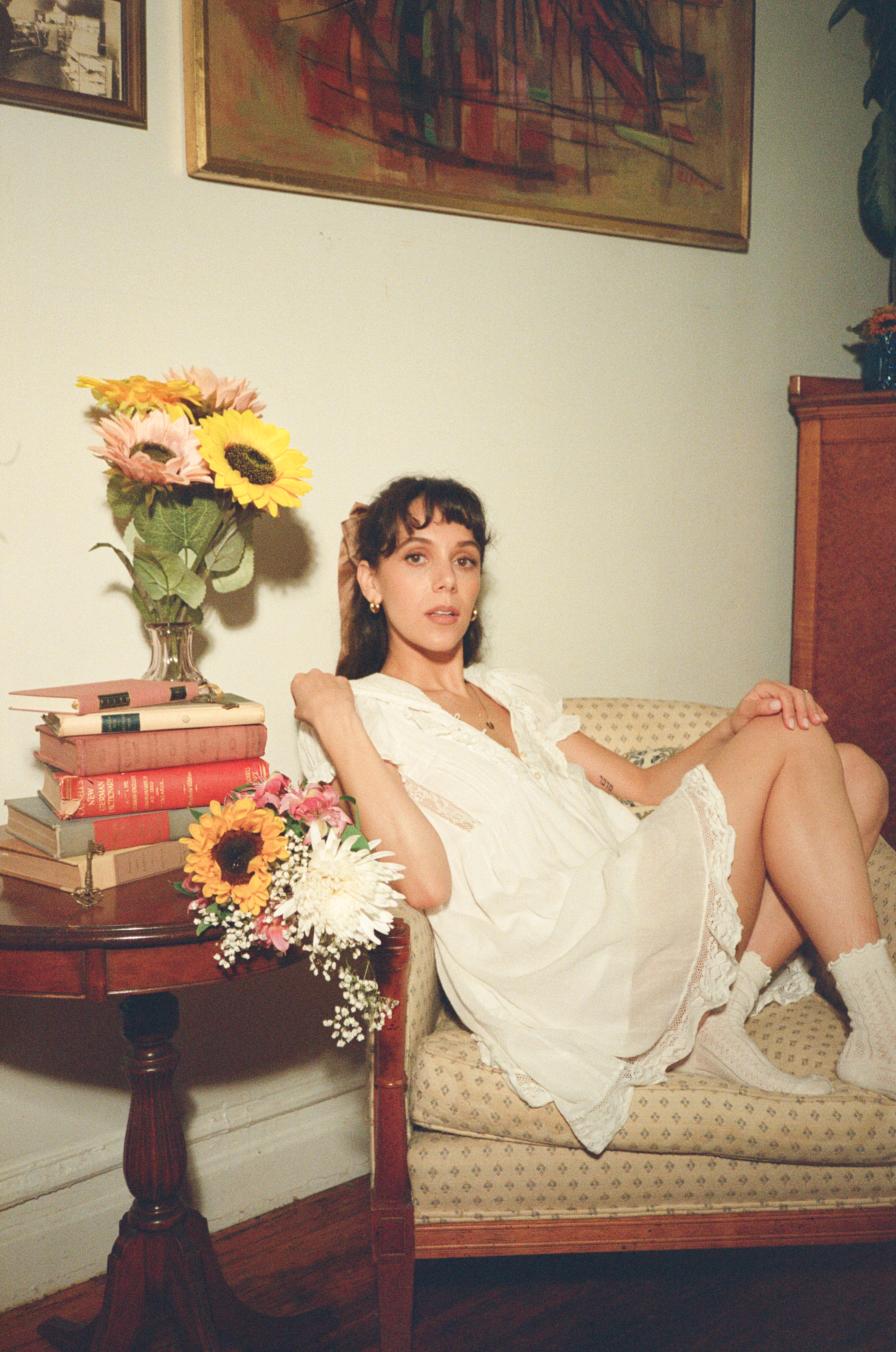
Through this interview for Alicia's Studio, Melanie Herrera reflects on the journey behind her debut album, “A Fearful & Wondrous Thing.” While the record is filled with stories of love, loss, and self-discovery, a deeper theme runs through nearly every answer: learning to stop running from the person she wanted to become.
For years, music existed as a dream she struggled to fully claim. The desire was always there, but so was the fear. Looking back, Melanie describes a period after college where she felt disconnected not only from her artistic identity, but from herself. At the time, she was navigating life without understanding that she was neurodivergent, often mistaking those challenges for personal shortcomings rather than something that could be understood and worked through.
What emerged from those years became the foundation of “A Fearful & Wondrous Thing”. The album wasn't originally conceived as a singular statement, but as she looked back on the songs she had been writing, she realized they were all pointing toward the same story.
"I felt that so many of the songs I was already writing were inherently telling my story of self-return."
Instead of forcing a concept, she followed the thread that was already there. The result is a debut album that documents transformation in motion—not from the perspective of someone who has all the answers, but from someone who finally gave herself permission to try.
Fear and Wonder Can Exist Together
The album's title comes from a verse in Psalms describing people as "fearfully and wonderfully made," a phrase Melanie has carried with her for years.
What draws her to those words is the contradiction they contain. Life, she explains, is both beautiful and frightening. It is filled with joy and grief, certainty and confusion, wonder and loss. Rather than trying to separate those experiences, “A Fearful & Wondrous” Thing embraces them.
For Melanie, the album represents an arrival—not because she has everything figured out, but because she finally stopped waiting until she did.
"This record for me represents an arrival to myself after years of being too scared to go after the person I wanted to be."
That realization came after years of questioning her abilities and wondering why certain goals felt so difficult to pursue. Everything began shifting when she sought support and started building a life that worked with her rather than against her. The songs became snapshots of that evolution.
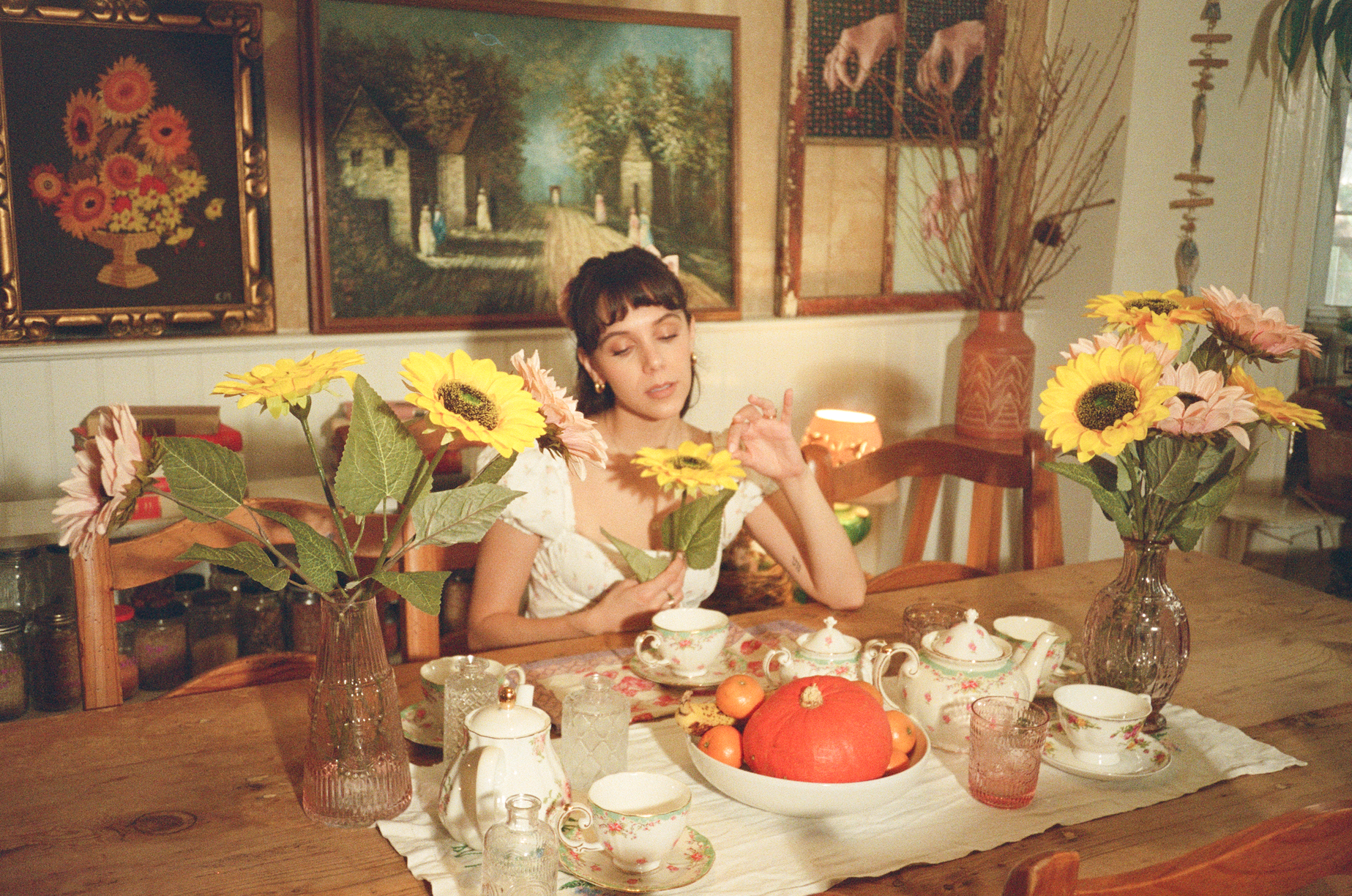
Throughout the album, fear is never presented as something to conquer completely. Instead, it becomes something to move alongside.
One of the most striking aspects of Melanie's songwriting is her willingness to explore uncomfortable emotions without trying to tidy them up.
That honesty is especially present in "Whatever's Left," a song inspired by her experience growing up as a child of divorce. While writing it felt natural, sharing it with the world felt far more vulnerable.
There was hesitation. There was concern about how those closest to her might receive it.
Still, she knew the song belonged on the album.
"The best songs tell the story of a truth."
That philosophy extends far beyond a single track. Whether she's writing about heartbreak, insecurity, family, or personal growth, Melanie consistently returns to emotional honesty as her guiding principle.
Even songs like "I Think I Lied" embrace contradiction rather than resolve it. The track explores the experience of wanting to move on from someone while still romanticizing what was lost. It's a feeling many people recognize but often struggle to explain.
Melanie believes part of that tension comes from how people respond to emotional pain. Familiarity can feel safer than uncertainty, even when we know something isn't good for us. Sometimes the hardest part isn't letting go—it's trusting ourselves enough to stay gone.
Melanie describes her sound as "storybook-pop," a phrase that feels particularly fitting when discussing her creative process.
Most songs begin with a feeling. From there, her mind naturally searches for a scene, image, or metaphor capable of communicating it. The result is music that feels cinematic without losing its emotional intimacy.
Rather than documenting events exactly as they happened, she uses storytelling to get closer to the emotional truth underneath them.
That perspective was shaped early on. Growing up with a mother who worked as a psychotherapist, Melanie was surrounded by conversations that encouraged emotional awareness and honesty. Having that language from a young age continues to influence the way she writes today.
Her songs often feel detailed because they aren't simply describing what happened. They're trying to understand why it mattered.
Many listeners first discovered Melanie through her online content, particularly her viral "Nepo Baby Vocal Warm-Ups" series. But she is careful to distinguish luck from intention.
While the series became an unexpected breakthrough, building an audience was never accidental.
Before any video gained traction, she was already experimenting with ways to connect with people and create community around her work. Sharing herself online wasn't something that happened by default—it was something she actively pursued.
"I was always aware my vulnerability and my art would be on display—in fact, it was my hope."
That perspective reframes the way she approaches visibility. Rather than treating vulnerability as a cost of success, she sees it as part of the reason she creates in the first place.
The goal was never simply to be seen. It was to build something people could see themselves in.
When Melanie speaks about the younger version of herself, there is a sense of compassion in her answers.
She remembers what it felt like to struggle with anxiety, self-doubt, and the fear that music might remain a dream instead of becoming reality. She remembers periods where even writing songs felt impossible.
For years, she questioned whether she would ever become the person she imagined herself to be.
Looking back now, she thinks that version of herself would be shocked—not simply by the album itself, but by what it represents.
The existence of these songs is proof that change is possible.
More importantly, it's proof that waiting for fear to disappear isn't a requirement for moving forward.
At its core, “A Fearful & Wondrous” Thing isn't an album about certainty. It's an album about trust. Trusting yourself enough to take the risk. Trusting that life can be both messy and meaningful. Trusting that the person you're becoming is worth meeting.
And for Melanie Herrera, that may be the most important arrival of all.