Jereena Montemayor on Unlearning Perfection and Trusting Her Voice
By. Alicia Zamora
“It Only Takes One Video”
Meet Jereena Montemayor not at the moment things went viral, but in everything that came before it.
In conversation with Alicia’s Studio, her story doesn’t unfold like a sudden breakthrough. It reads more like repetition. Trial. A quiet kind of persistence that, for a long time, felt like it wasn’t leading anywhere.
She started posting covers during high school, testing the waters on social media with no real expectations. What followed was a year of consistency. Videos every few days, each one building on the last, even when the response stayed relatively small. Most hovered around a few dozen likes. Enough to feel encouraging, but not enough to signal anything bigger.
Still, she kept going.
“It only takes one video,” she says.
For her, that moment came with a cover of Redbone by Childish Gambino. The response shifted almost instantly, turning a routine she had built in private into something visible. Not overnight success, but proof that the effort had somewhere to land.
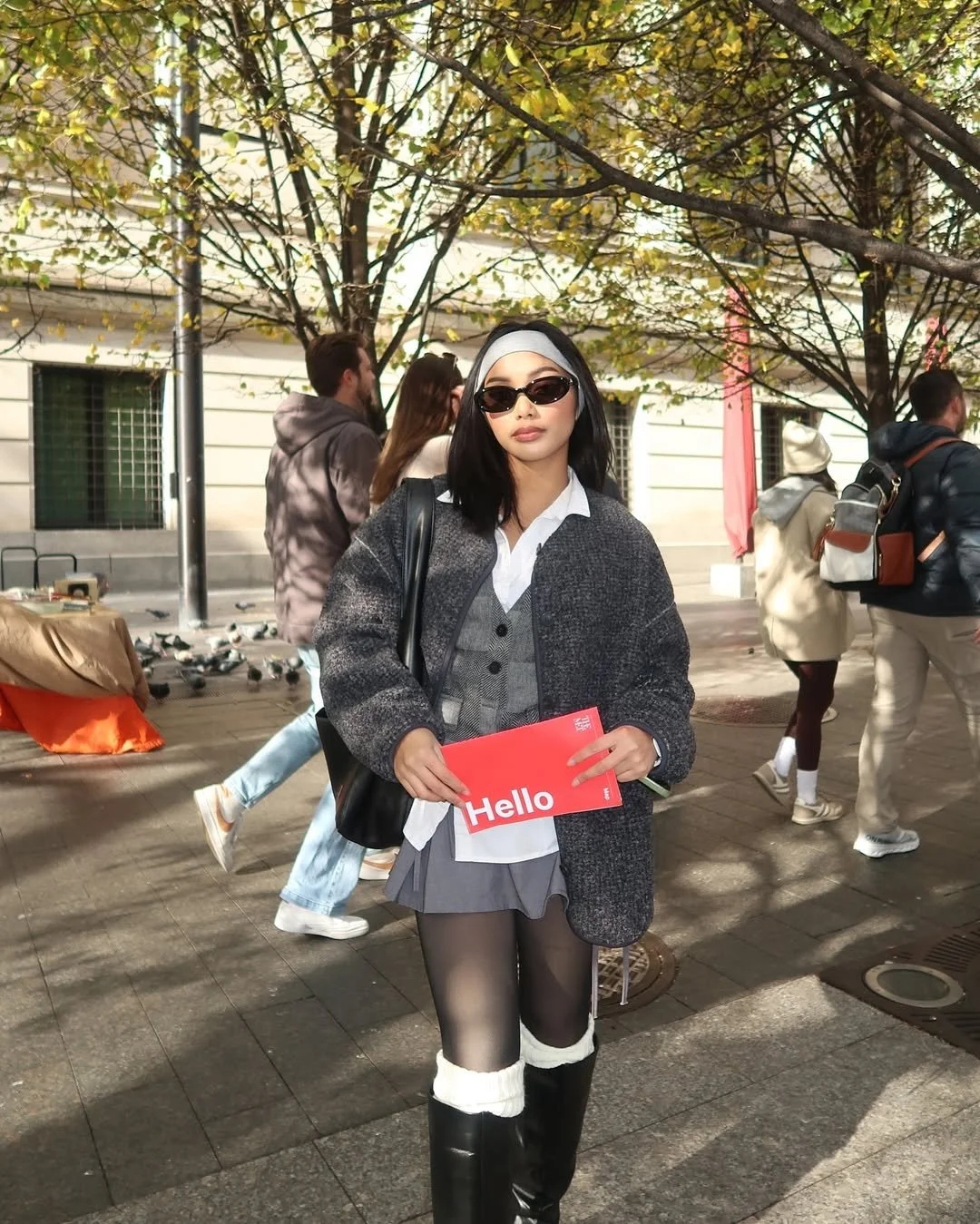
Learning Without a Blueprint
Even as her audience grew, Jereena’s process stayed rooted in simplicity. No formal training, no structured entry into music. Just instinct.
Most of her early original songs were recorded in the same spaces she was living in. Bedrooms, bathrooms, wherever she could set up her phone and guitar. The recordings were raw, unpolished, and intentionally so. That lack of refinement became part of what people connected to.
It was also how she began to understand herself as more than someone covering other artists.
“I never really came into this thinking, ‘I’m gonna be a music artist,’” she says.
That shift happened gradually, but one moment stands out. The creation of her song “Rose,” which introduced a new level of certainty in her process. For the first time, there was an instinct that felt specific. A sense that something she was making carried weight.
That moment didn’t just mark a good song. It marked a turning point in how she saw her own voice.
Jereena’s early sound leaned toward slower, more intimate R&B. Influenced by artists like Sabrina Claudio and Daniel Caesar, her music initially existed in a quieter space. Emotional, reflective, and often minimal.
But performing began to reshape that.
“There’s only so much I can do with slow R&B music,” she explains.
Live shows introduced a different kind of awareness. The relationship between artist and audience became more immediate, more physical. It was no longer just about how a song felt in isolation, but how it translated in a room full of people.
That realization didn’t push her away from her earlier sound, but it expanded it. Newer songs began to carry more movement, more energy, and more intention around performance.
If “Rose” marked a creative breakthrough, its success followed a less predictable timeline.
When it first released, the response was positive but not overwhelming. It wasn’t until months later, after being picked up by algorithmic playlists, that the song found a wider audience.
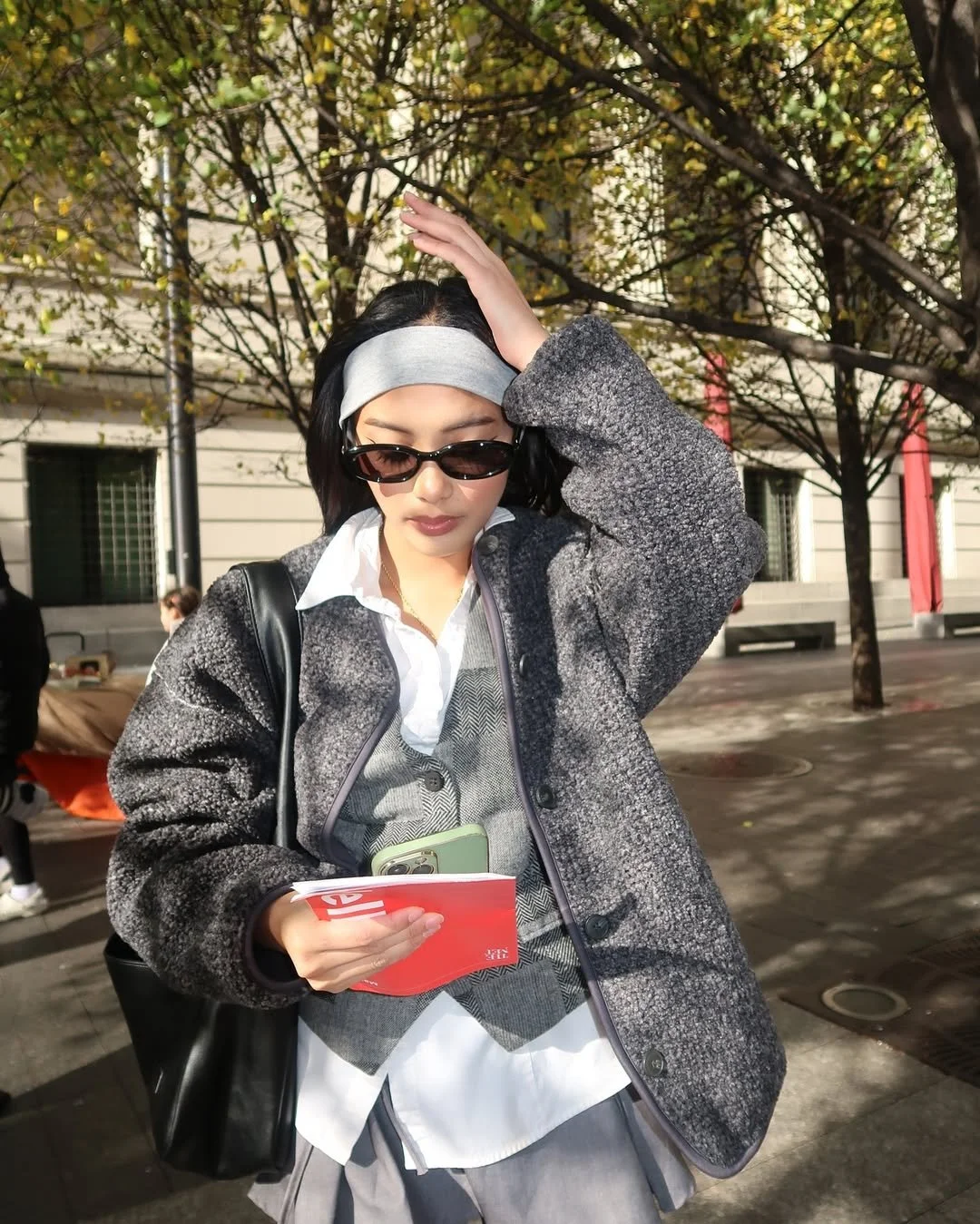
“At first, I thought it would do better,” she admits. “But then I realized… some things just take time.”
That shift in perspective reframed how she approaches her work. Instead of chasing immediate results, there is more trust in the process itself. A willingness to let songs grow into their audience rather than forcing the moment.
“Traffic” and Writing Beyond Experience
Her recent single “Traffic” reflects that evolution, both sonically and creatively.
Unlike much of her earlier work, the song was not pulled directly from personal experience. Instead, it came from a more imaginative space, sparked in part by the emotional storytelling of Olivia Rodrigo.
“I wanted to challenge myself,” she says.
The concept reworks something familiar. Traffic, usually associated with frustration, becomes something softer. A moment you want to stay in, simply because it means more time with someone.
The production mirrors that shift. Larger, more cinematic, and intentionally built for a different kind of listening experience. Not just introspective, but expansive.
As Jereena continues working toward her next project, what stands out is not a desire to completely reinvent herself, but to deepen what is already there.
Her process has changed. More collaboration, more intention, more clarity around what she wants her music to represent. But the core remains the same.
“I still want people to see the same me that was posting songs on Twitter,” she says.
What she’s building now feels less like a departure and more like an expansion. The same instincts, just refined. The same voice, just more confident in where it belongs.
And maybe that’s what defines this stage of her career. Not a finished identity, but a growing one. Still shaped by uncertainty, but no longer held back by it.
Because at this point, the goal is not just to be heard.
It’s to be understood.