Breaking Boundaries: An Inside Look at Edwin Honoret’s Artistic Voyage
By. Alicia Zamora
In an industry constantly shaped by trends, numbers, and shifting expectations, Edwin Honoret stands out not just for his music, but for the philosophy behind it. Formerly part of the pop group PrettyMuch and now carving out his lane as an independent artist based in Los Angeles, Edwin is navigating a version of success that prioritizes creative freedom, long-term fan connection, and artistic integrity over traditional industry validation.
In an exclusive conversation with Alicia’s Studio, Edwin opens up about his transition from label-backed group member to independent artist, his experience writing for global acts across K-pop and Western markets, and how he continues to redefine what success looks like on his own terms.
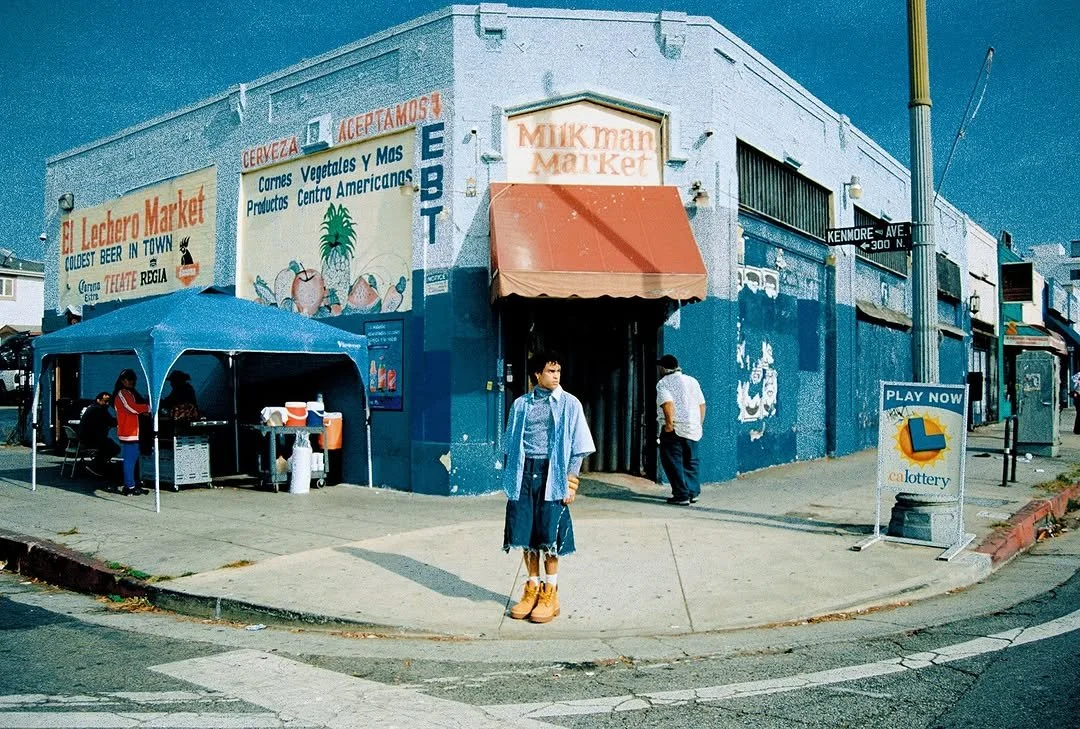
From Major Label Systems to Independent Freedom
Edwin’s journey into independence wasn’t an abrupt decision — it was a gradual realization shaped by experience. After moving from Syco Entertainment to Warner with PrettyMuch, the group eventually recognized they had built enough of a foundation to step away from the traditional label structure.
What followed was a shift in mindset.
He explains that staying independent wasn’t about rebellion; it was about control. Control over decisions, direction, and long-term sustainability.
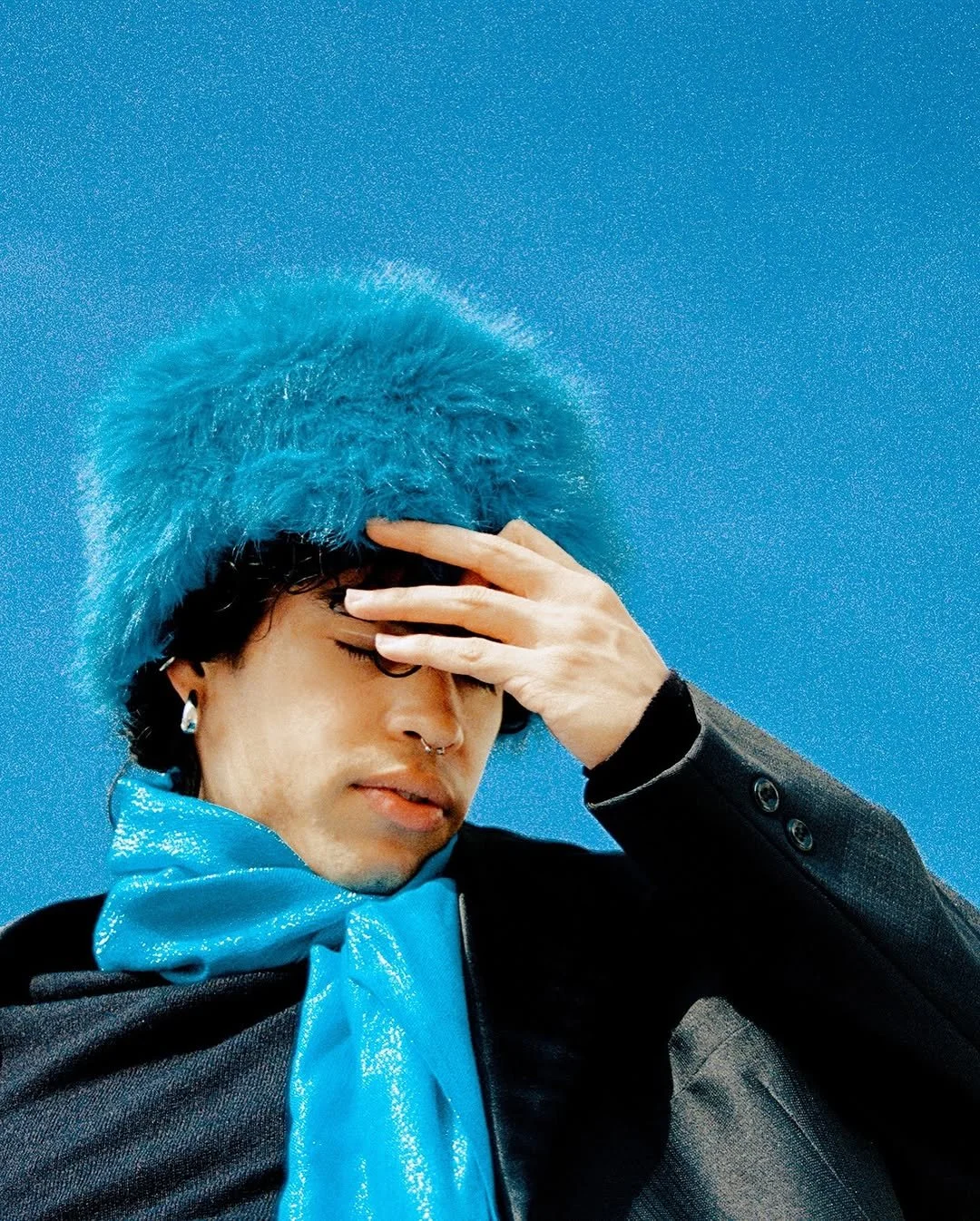
“I'd rather play the long game and trust that I know what I'm doing… It’s not worth taking the risk until the playing field is level.”
That philosophy has carried into everything he does now as a solo artist. For Edwin, independence means responsibility but also the freedom to take creative risks that labels often avoid.
One of the biggest shifts in Edwin’s perspective came after stepping away from label expectations. Instead of chasing streaming numbers or radio placements, he began focusing on something more sustainable: community.
He describes success in a way that feels almost counter-industry — not as virality, but as connection.
“If you can sell out 500 cap rooms in every major city… you're making more money than the average artist with millions of listeners.”
For Edwin, the goal isn’t to be the most streamed — it’s to be the most supported. He emphasizes that real longevity comes from building a fanbase that shows up in person, not just on playlists.
That perspective has shaped how he approaches every release — treating each song less like a product and more like an entry point into a larger relationship with listeners.
Beyond his solo work, Edwin has built a strong presence as a songwriter in the global music space, particularly in K-pop. Writing for artists like NCT Dream and D.O., he’s learned to separate melody from language — and emotion from literal meaning.
In K-pop sessions, he often focuses less on lyrics and more on structure, tone, and emotional direction, knowing the final words may change entirely.
That experience reshaped how he thinks about music altogether.
“Melody is king… If people connect to the feeling, the words become secondary.”
This approach allows him to move fluidly between genres and markets, adapting without losing identity — something he sees as essential in today’s global music landscape.
While independence has given Edwin more control, it has also introduced a different kind of pressure — the pressure to constantly outdo himself.
Without a label directing decisions, every choice becomes personal.
He admits that even inspiration itself can become overwhelming, especially when surrounded by constant new music online. But instead of resisting that pressure, he uses it as fuel to evolve.
At the same time, he’s learning the importance of simplicity — knowing when to step back and let a song breathe instead of overthinking it.
Edwin’s recent singles reflect this balance between experimentation and identity. “Break the Tide” leans into atmospheric R&B and pop influences, designed to feel effortless across different listening environments — from car rides to late-night drives.
Meanwhile, “Yo Te Quiero” marks a stylistic shift into Bachata, a genre he explored for the first time during production.
Both tracks represent his willingness to step outside comfort zones without abandoning his core sound.
“I just wanted to make something really cool… something you can play anywhere and feel good.”
That sense of openness — trying ideas without overcommitting to genre identity — has become a defining part of his creative process.
One of the most revealing parts of Edwin’s perspective is how hands-on his process is. From production to writing, recording, mixing, content creation, and even marketing — much of it happens independently.
This DIY approach is not just necessity — it’s philosophy.
He describes music as a system of reinvestment: time, energy, and resources all cycling back into growth. Even outside income streams, like songwriting for other artists, often feed back into his personal projects.
Still, he remains grounded about the reality of the industry.
“Music is not going to make you money at the beginning — that's just facts.”
But instead of discouraging him, that reality reinforces his discipline. For Edwin, patience is part of the process.
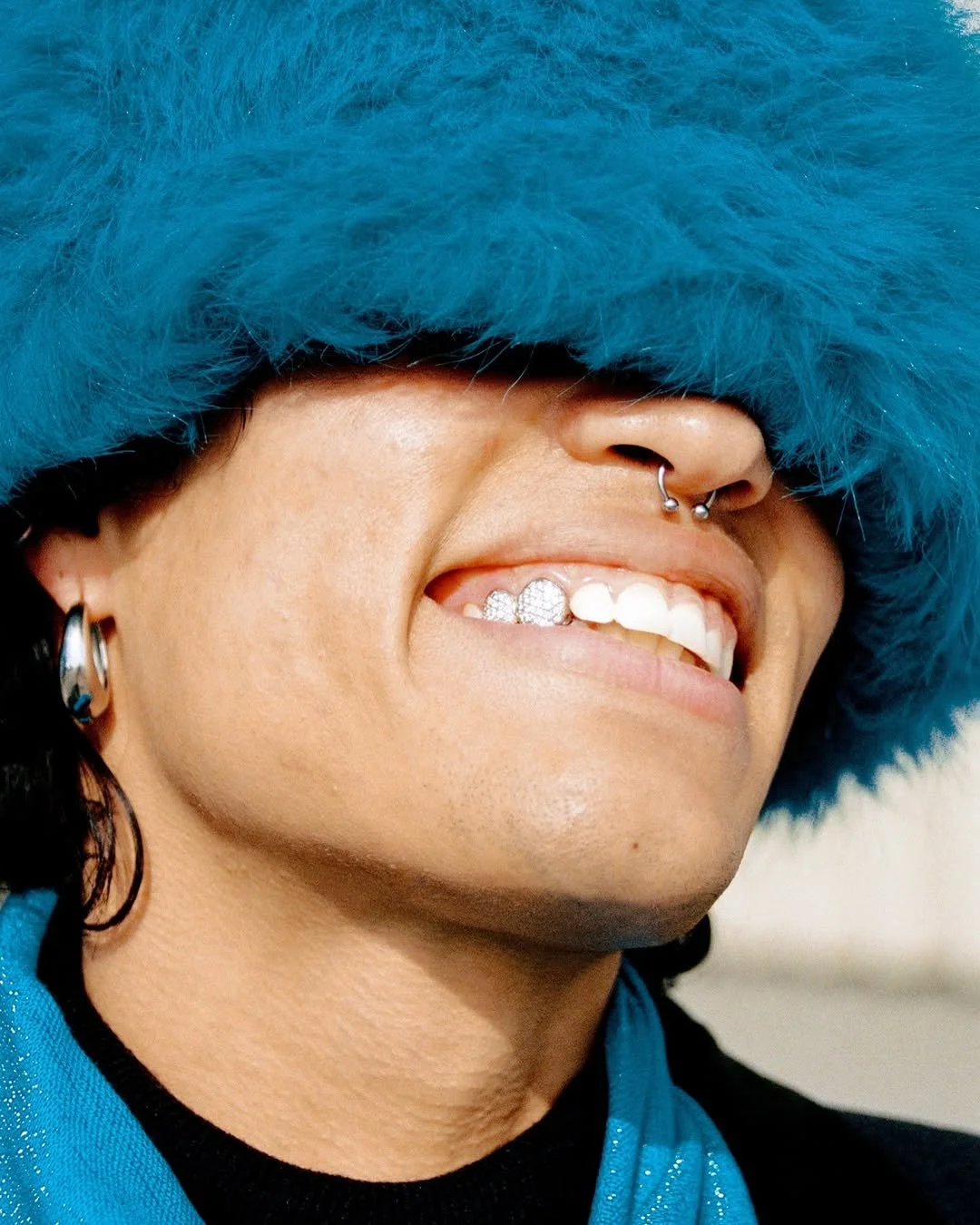
Like many artists working across multiple creative lanes, burnout is something Edwin has had to actively manage. His solution isn’t stopping — it’s switching contexts.
When he feels drained from his solo work, he shifts into writing for others. When that becomes repetitive, he returns to his own artistry with renewed clarity.
That cycle, he explains, helps him avoid stagnation while staying creatively active.
He also emphasizes presence as a key part of overcoming writer’s block — not forcing inspiration, but observing life in real time and allowing emotions to naturally translate into music later.
Looking ahead, Edwin’s goals remain ambitious but focused. He envisions headlining his own tour, continuing to grow his fanbase, and expanding his presence as both an artist and songwriter.
But beneath the ambition is a simpler motivation: consistency.
Make music. Play shows. Build connection. Repeat.
He also hopes to deepen the emotional honesty in his songwriting, moving beyond technical skill into more vulnerable storytelling.
For Edwin, evolution isn’t about changing direction — it’s about going deeper.
As the conversation comes to a close, Edwin reflects on the impact music has had on his life — not just as a career, but as a shared experience between him and listeners around the world.
“If one person connects to my song, that already means something. But knowing there are thousands… that’s everything.”
At the core of his journey is a simple idea: music is not just about being heard — it’s about being felt.
And for Edwin Honoret, that connection is what makes everything worth it.