Echoes of Uncertainty: Wubi’s Journey Through Sound and Heart
By. Alicia Zamora
Wubi Is Learning to Stay Inside the Noise Instead of Escaping It
In an exclusive interview with Alicia’s Studio, we sit down with rising artist Wubi, a musician building a body of work shaped by emotional contradiction, overthinking, and the constant push and pull between confidence and doubt. His music does not present itself as something fully formed or neatly understood. Instead, it feels like someone thinking out loud through sound, still in the middle of becoming.
There is a quiet instability that runs through everything Wubi makes. His songs do not try to resolve emotion or package it into something clean. They linger inside it. Doubt is not edited out. Neither is confidence when it arrives too strongly or too suddenly. What emerges is a sound that feels less like performance and more like documentation of a mind trying to stay honest while it shifts.
For Wubi, music is not a separate space from life. It is what happens when life becomes too full to hold in silence.
When asked where he is emotionally and creatively right now, Wubi does not define it with certainty. He describes movement instead.
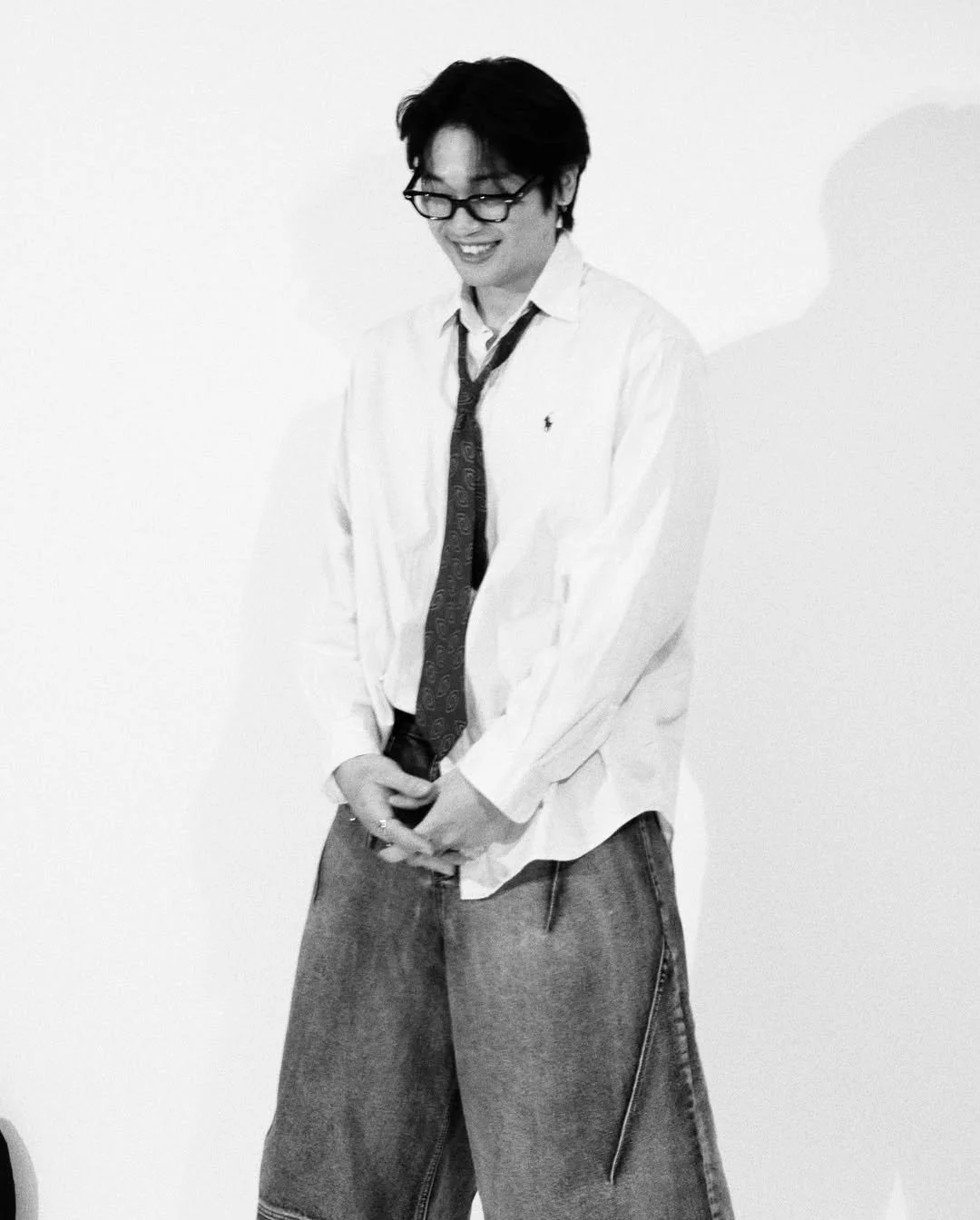
“I think I have a lot of things that I’m trying to understand about myself,” he says. The way he speaks feels less like confusion and more like someone aware that clarity is still forming in real time.
A large part of that process lives inside love, which he returns to often in his writing. Not as a simple idea, but as something unstable and layered, something that refuses to stay in one emotional state.
“A lot of what I write ends up being about love,” he says. “How exhilarating it can be, but also how painful it can get. You can’t really have one without the other.”
That duality is not something he tries to solve in his music. It becomes the structure of it. His songs do not move away from contradiction. They stay inside it long enough for it to mean something.
Even silence plays a complicated role in his life. It is not always calm or peaceful. Sometimes it becomes too loud on its own.
“I crave it and avoid it at the same time,” he says. “I’m a chronic overthinker, so when it’s too quiet I start spiraling. But sometimes I need that to ground myself.”
Silence, for him, is not absence. It is confrontation. It forces him inward whether he is ready or not.
That tension between stimulation and stillness becomes part of how he creates. Music is not just expression. It is a way of managing what happens when everything else gets too quiet.
Wubi’s relationship with confidence is not stable. It rises fast, collapses just as quickly, and rarely stays in one place for long.
“I’ll post my music and get a lot of love and think, holy shit, I’m the shit,” he says. “And then later I’ll be like, what am I even doing.”
That swing between ego and doubt is not something he sees as a contradiction to fix. It is something he has learned to expect.
“Doubt is temporary,” he adds. “It’s always there in the back of your head, but I try to remind myself to just keep going.”
Even his older music has become part of that process. Instead of treating it as something separate from who he is now, he uses it as proof of movement.
“I listen to something I made in 2022,” he says. “And I’m like, wow, that’s actually bad. But it shows me I’ve improved.”
There is no embarrassment in the way he says it. Only recognition that growth is visible if you are willing to look back at it honestly.
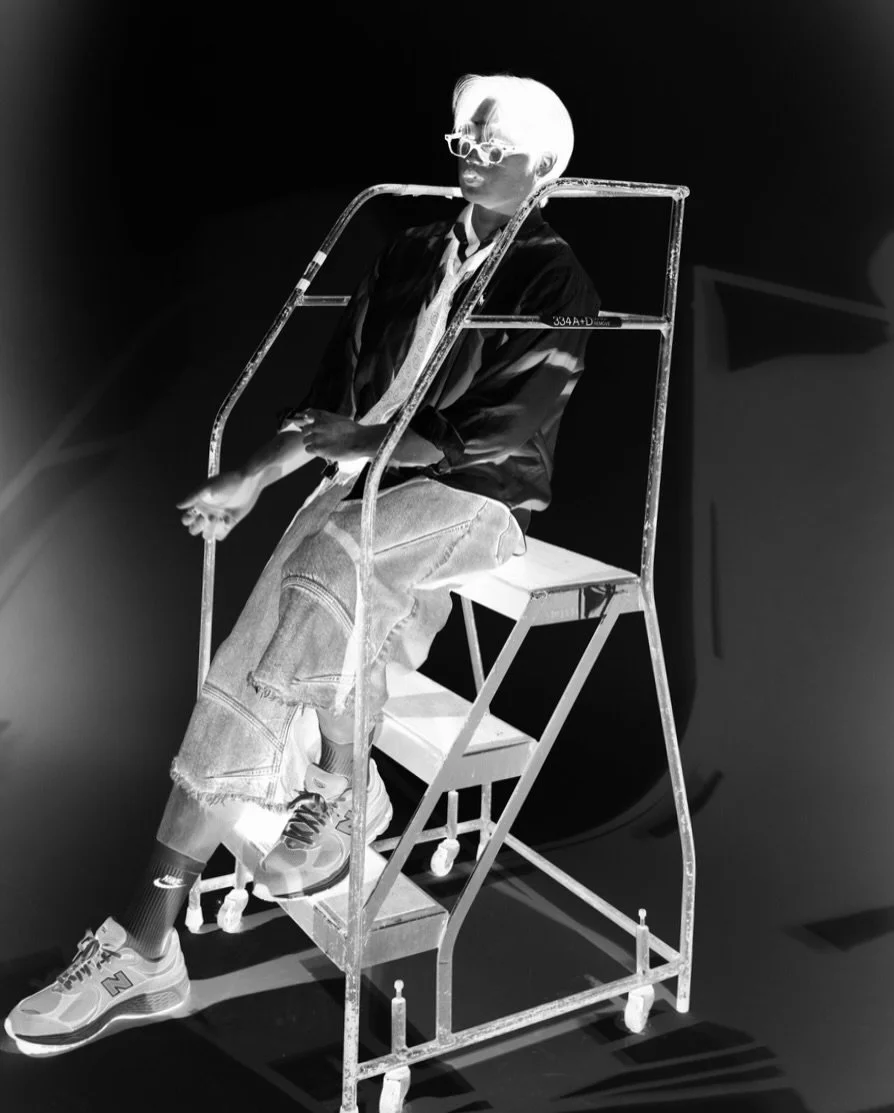
EXE as a Test of Fear and Expression
If earlier work feels like emotional processing, his project EXE feels like exposure. It is not described as a polished statement but as an experiment in combining sound and visuals for the first time in a way that felt personal rather than performative.
“I really like the word purge,” he says. “That’s kind of what it was. I was trying to connect my sonic ideas to visuals and see if I could actually do it.”
The project became a space where confidence and insecurity existed at the same time. While creating it, he found himself constantly comparing his work to others.
“I would see other edits and think maybe I’m not good enough,” he says. “But I still wanted to put it out there.”
That tension between fear and action is central to how he describes the process. EXE is not framed as a finished identity, but as a moment of testing what it means to be seen while still unsure of yourself.
Sonically, Wubi is drawn to space. Not just in production choices, but in emotional structure. What is not said often matters as much as what is.
“I really love using pauses,” he explains. “When everything drops out and it’s just the voice, it creates a different kind of feeling.”
Even when he questions whether he uses this too much, there is no urgency to correct it. It feels like something he is still learning through repetition rather than theory.
Outside of music, some of his creative identity has been shaped by close friendships that mix honesty with criticism.
One friend in particular has had a lasting influence on his early confidence.
“He told me I suck when I first tried singing,” Wubi says, laughing. “But I needed that. He’s supportive, but very critical, and I really appreciate that.”
That balance of encouragement and bluntness mirrors how he now approaches his own work. Nothing is treated as final. Everything is still being tested.
Making Music That Stays Inside Emotion Instead of Escaping It
At the core of Wubi’s music is not resolution, but endurance. His songs do not attempt to solve emotion. They stay inside it long enough for it to take shape.
His process moves in cycles rather than lines. Confidence, doubt, creation, retreat, return. None of it is permanent, and none of it is avoided.
“I just keep going,” he says. “Doubt doesn’t last forever if you don’t let it.”
There is something defining in that persistence. Not as a narrative of success, but as a refusal to turn instability into silence. Instead, he turns it into sound.
And in that sound, Wubi does not present who he is fully. He presents who he is becoming while everything is still in motion.