Justin Nech on Growth, Honesty, and Learning to Create Without Fear
By. Alicia Zamora
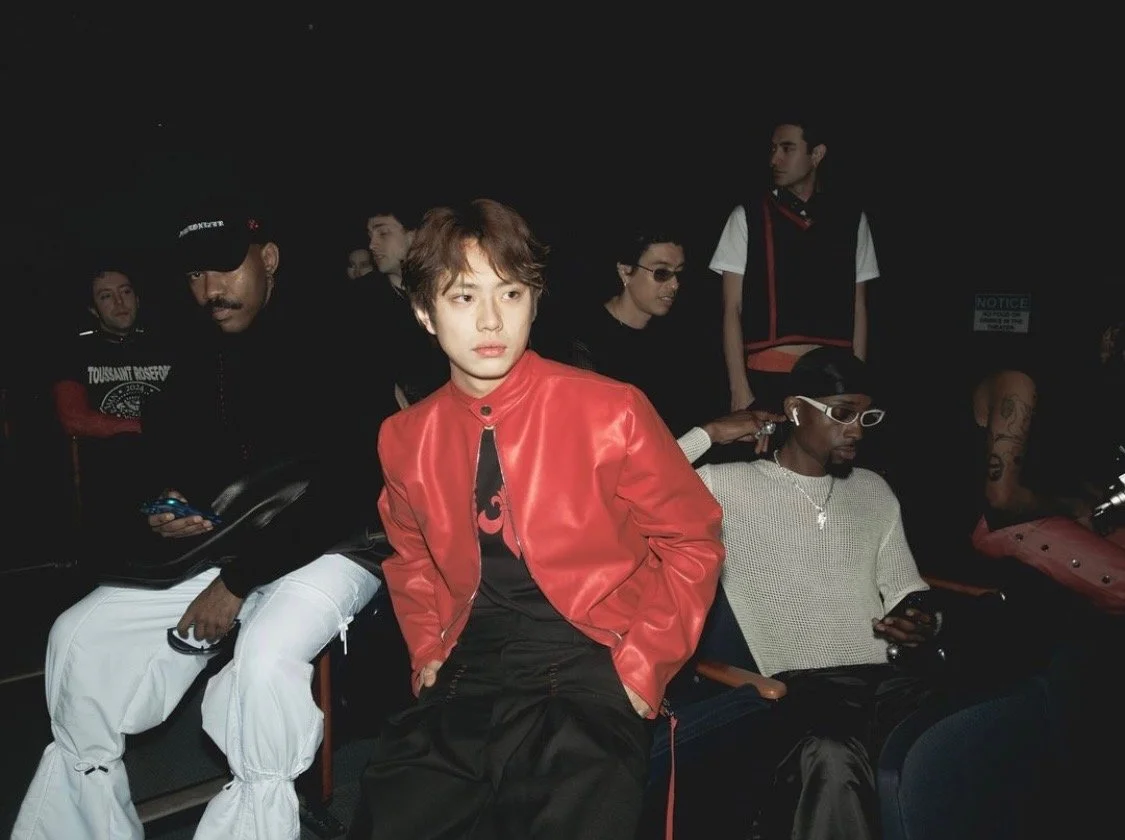
Justin Nech Is Learning to Make Music That Breathes With Him
In an exclusive interview with Alicia’s Studio, we sat down with artist Justin Nech, a musician whose work is quietly reshaping what it means to be honest in sound. His music doesn’t try to impress through excess or overproduction. Instead, it leans into something more fragile and harder to hold onto: emotional truth in real time. What you hear is not a performance of identity, but a document of someone still figuring it out while the music plays.
For Justin, music has never existed in isolation from life. It has moved alongside it, sometimes ahead of it, sometimes behind it, but never separate from it. He describes his approach less like building a career strategy and more like documenting a life as it unfolds. There is no attempt to smooth over the uncertainty or package it into something overly clean. In fact, he seems most interested in preserving the parts that feel unresolved, because that is where the honesty lives.
Over time, that mindset has quietly reshaped his sound. Earlier work carries a sense of urgency, like someone trying to prove something to themselves through output alone. Now, there is more restraint. More space between ideas. More willingness to let silence sit inside the music instead of filling every corner. His newer songs feel less like statements and more like observations mid-thought, still forming as they are being heard.
What emerges through the conversation is an artist who is no longer treating music as escape or performance, but as something closer to a living extension of self. Not separate from emotion, but built directly from it.
When asked where he is emotionally and creatively right now, Justin doesn’t rush into a polished answer. Instead, he describes a period of expansion that feels ongoing rather than defined.
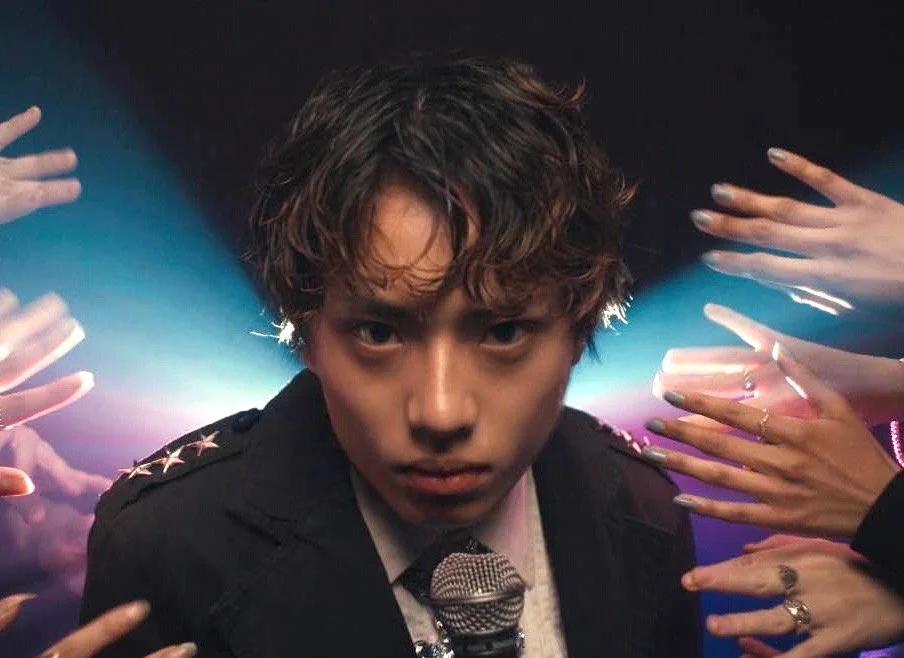
“I’m definitely going through a big growth period right now. I’m really just trying everything, staying open minded, and seeing what comes my way,” he says. “I think it’s going to be one of those times I’ll look back on and realize how important it was.”
There is a sense that he is actively resisting the pressure to define the moment too early. He is still inside it, still learning what it is.
That same shift is happening outside of music too. Justin talks about making intentional changes in how he lives day to day, especially when it comes to health and mental clarity.
“I started taking my health and fitness seriously, and it changed a lot for me,” he shares. “I realized everything you feel comes from within. So I stopped looking outward so much and just focused on myself.”
It is not framed as reinvention. More like recalibration. A quieter kind of shift where external noise becomes less important than internal alignment.
“I’ve never been better,” he adds, not as a statement of perfection, but of stability he is still learning how to maintain.
Justin traces his identity as an artist back to a moment that, at the time, felt small, but ended up changing everything.
“It was summer camp in 2018. I was 14,” he says. “I had been playing instruments, singing, writing music for a while, but I just thought of it as something I did for fun.”
Then something shifted.
“My friends called me an artist, and I remember just pausing like… wait, maybe that’s actually what I am.”
That moment did not suddenly make him an artist, but it changed how he moved forward. It gave structure to something that had previously existed without direction.
“That was the summer I realized my purpose and started dedicating my life to music,” he says.
What makes that moment important in hindsight is not the label itself, but the decision that followed it. From that point on, music stopped being casual. It became something he was building himself around.
When asked what first drew him into music more deeply, he returns to listening rather than creating.
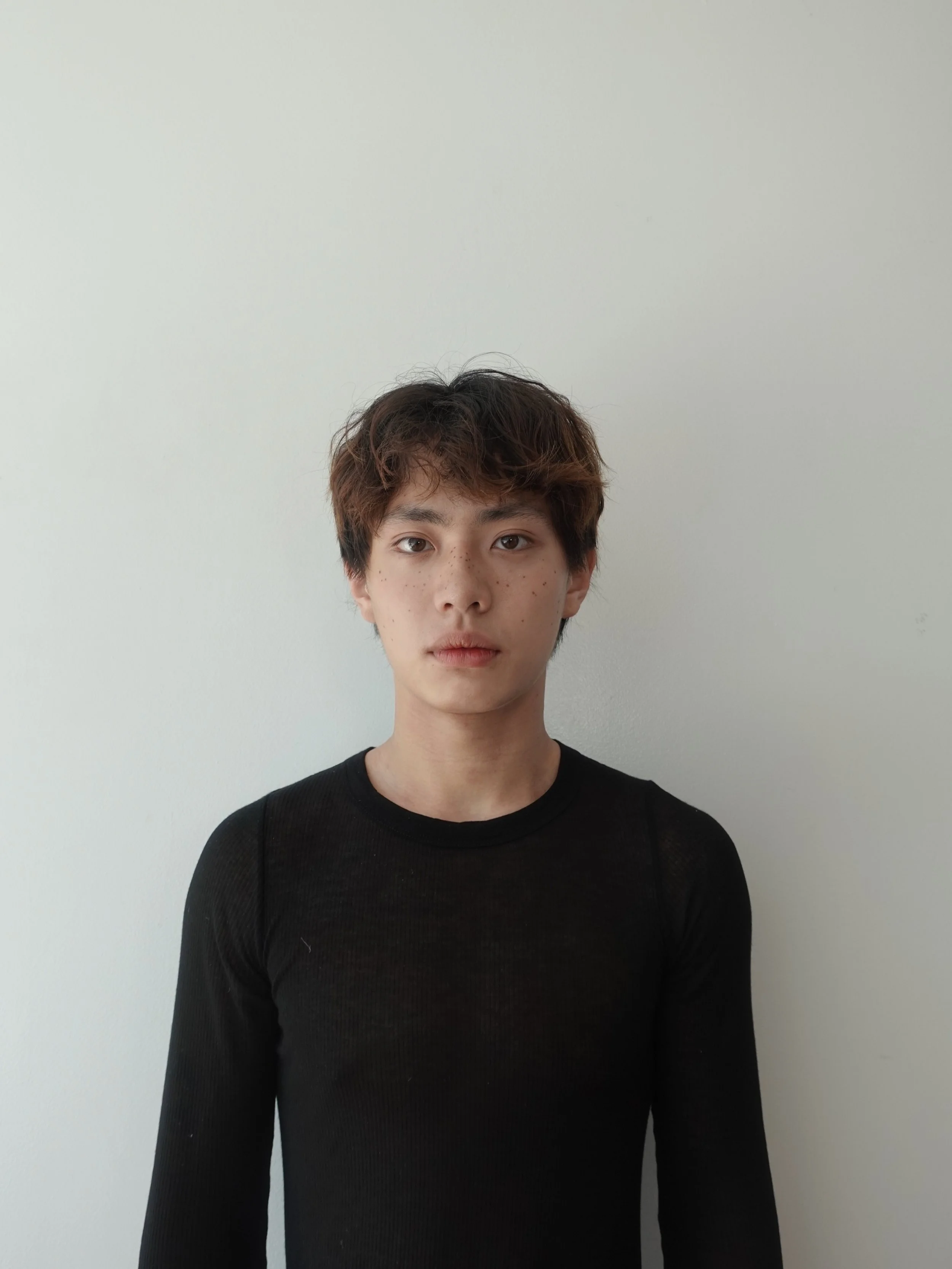
“I felt heard by the artists I listened to,” he says. “Whether I was happy or sad, their music made me feel understood. That stuck with me.”
That feeling of being emotionally mirrored by strangers became the foundation for everything he would later try to create.
One of the clearest ways Justin understands his own work is through time.
“I see my songs as time capsules,” he says. “They’re versions of me that I don’t fully live in anymore, but I can still visit them.”
There is a noticeable distance in how he talks about older work. Not detachment, but perspective. He is no longer inside those moments, but he can still recognize them.
“I tend to love my songs more as time goes on,” he adds. “At the time I made them, I was just trying to figure things out. Later, I can see what they actually meant.”
He mentions early recordings with a kind of disbelief.
“I can’t believe I was only 16 when I made some of those songs,” he says. “When I listen now, it feels like I’m hearing a different version of myself, but still me.”
This separation between past and present allows him to keep moving without rejecting where he started. The music becomes an archive rather than a weight.
Without Me and Learning the Power of Simplicity
At the center of Justin’s current creative chapter is his latest single “Without Me.” It is a song that does not rely on complexity to carry emotion. Instead, it builds its impact through space and restraint.
“If someone only listened to one track, I’d want it to be Without Me,” he says. “It shows a lot vocally, and it’s really just guitar, bass, and drums. That’s kind of my core sound.”
The track reflects a shift in how he approaches production. Rather than layering endlessly, he has started trusting simplicity more.
“I’m realizing I don’t need to overdo everything,” he explains. “Sometimes the simplest version of an idea is the most honest one.”
There is also a clear emotional connection to his influences, but not in a way that feels imitative.
“It pays homage to Michael Jackson and Prince,” he says. “Those are my biggest inspirations. I grew up studying their music, especially the feeling in it.”
What stands out is how grounded his pride in the song feels. It is not framed as a breakthrough moment, but as a step that feels aligned with where he is headed.
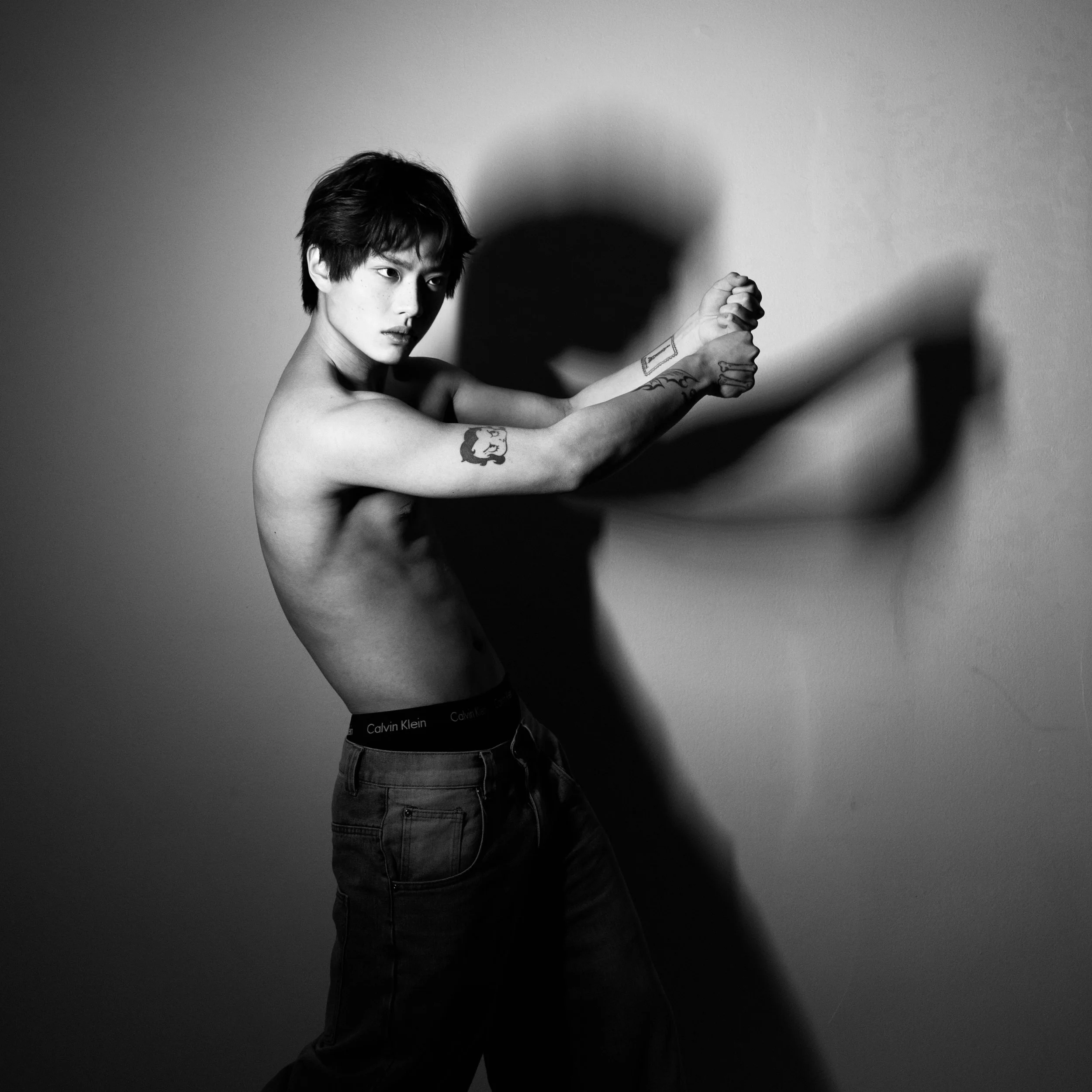
Justin’s creative process is deeply self-contained. He writes, performs, produces, and shapes most of his work independently.
“I’m literally taking an idea from my brain and building everything myself,” he says. “No outside stems, no samples. It starts and ends with me.”
That level of control is not something he describes as isolating. Instead, it gives him clarity over intention. Every decision carries his imprint.
But he is also aware that independence does not mean rigidity.
“There are times you make music for yourself, and times you think about the people listening,” he says. “Finding that balance is important.”
He does not frame it as something mastered, but something ongoing.
When asked what growth actually means to him beyond numbers or external validation, Justin returns to something internal and steady.
“Growth is just holding yourself accountable,” he says. “Being honest about who you are, not just as an artist, but as a person.”
He also talks about how easy it is to lose that clarity when comparison enters the picture.
“It’s easy to feel like you’re misunderstood,” he says. “But everyone has their own timing. What’s meant for you will come to you.”
For him, growth is not about speed or visibility. It is about alignment with self, even when that process is slow.
As the conversation moves toward legacy, Justin avoids anything overly constructed. Instead, he focuses on feeling.
“I’d want people to remember that we’re just human,” he says. “Enjoy the little time you have. Feel things fully. Don’t rush through it.”
It is not a message of perfection, but presence.
When asked what he is still figuring out, he is direct.
“My creative process,” he says. “There’s still a lot I don’t know, but I’ve learned that the less I force answers, the more they show up naturally.”
There is comfort in the uncertainty rather than resistance to it.
What remains after the conversation is not a fixed idea of who Justin Nech is, but a clearer sense of how he moves through his work and life. He is not presenting a completed version of himself. He is still in motion, still learning, still allowing experience to shape both sound and self at the same time.
His music reflects that exact state. Not resolved, not chaotic, but alive in its honesty. And in that space where clarity is still forming, his work continues to quietly expand into itself.