Sunburnkids on “Elephant in the Room,” Trauma, and Turning Honesty Into Art
By. Alicia Zamora
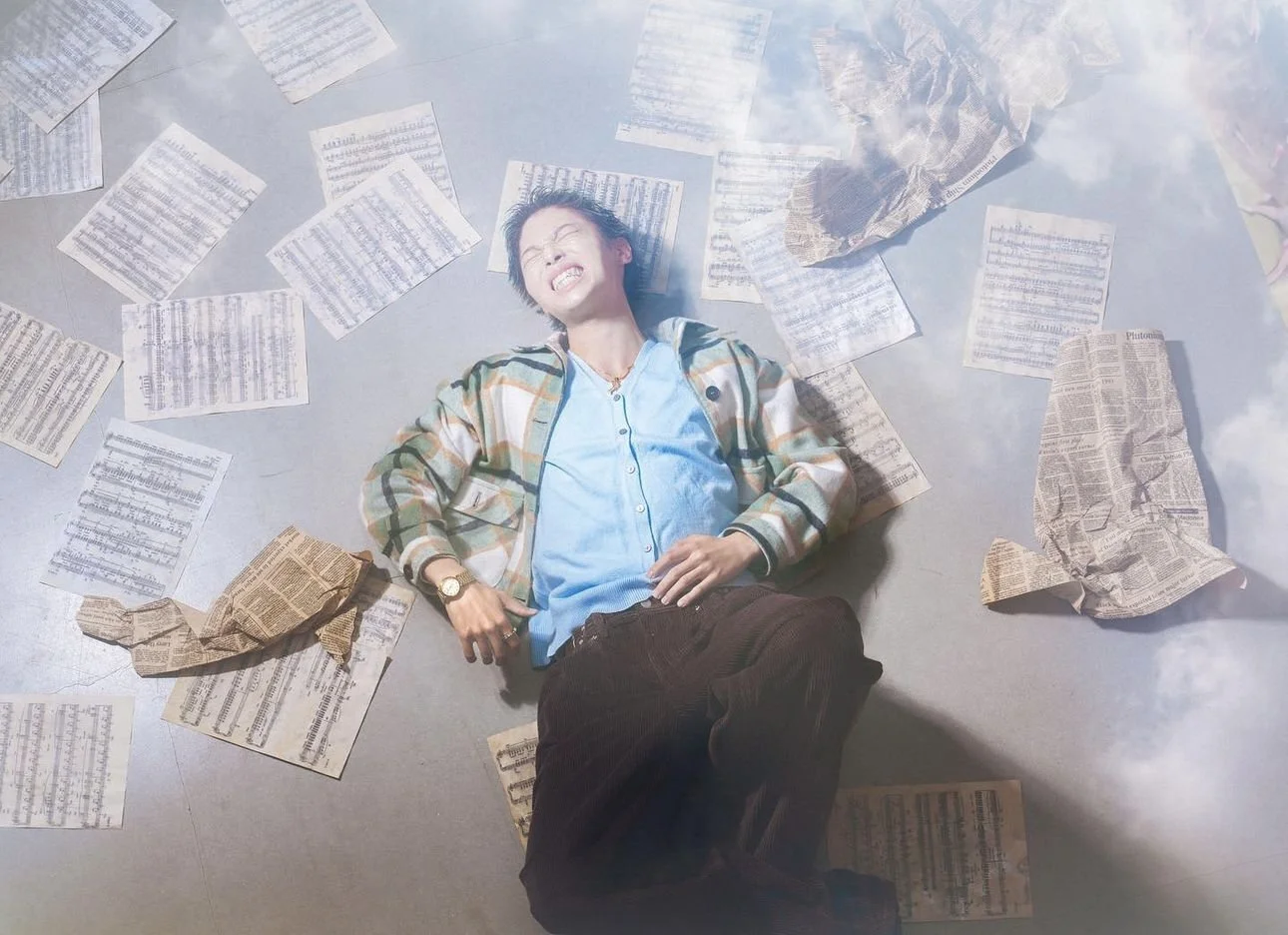
Sunburnkids Is Learning to Say the Things People Avoid
In an exclusive interview conducted by Alicia’s Studio, we sat down with Sunburnkids—a 19-year-old creative navigating the space between fashion, visual direction, and music. What begins as a conversation about a debut album quickly reveals itself as something heavier: an attempt to confront what’s often left unsaid, both personally and socially.
“I just had the courage to mention the elephant in myself,” he says.
That idea—naming what’s uncomfortable—sits at the center of Elephant in the Room, a project that doesn’t try to soften its edges. Instead, it leans into them, unpacking trauma, guilt, and the quiet patterns we carry from childhood into adulthood.
Before music, Sunburnkids existed in visual spaces—fashion, direction, imagery. But over time, that began to feel limiting.
“Those methods of delivery were too abstract,” he explains. “Lyrics felt like a clearer way to communicate.”
That shift wasn’t just artistic—it was personal. Where visuals left room for interpretation, music allowed him to speak more directly, to translate internal experiences into something listeners could feel without guessing.
It marked the beginning of a transition: from creating images to telling truths.
Childhood, Emotion, and the Weight That Follows
A lot of what shapes Elephant in the Room traces back to early experiences—specifically, how Sunburnkids learned to process emotion.
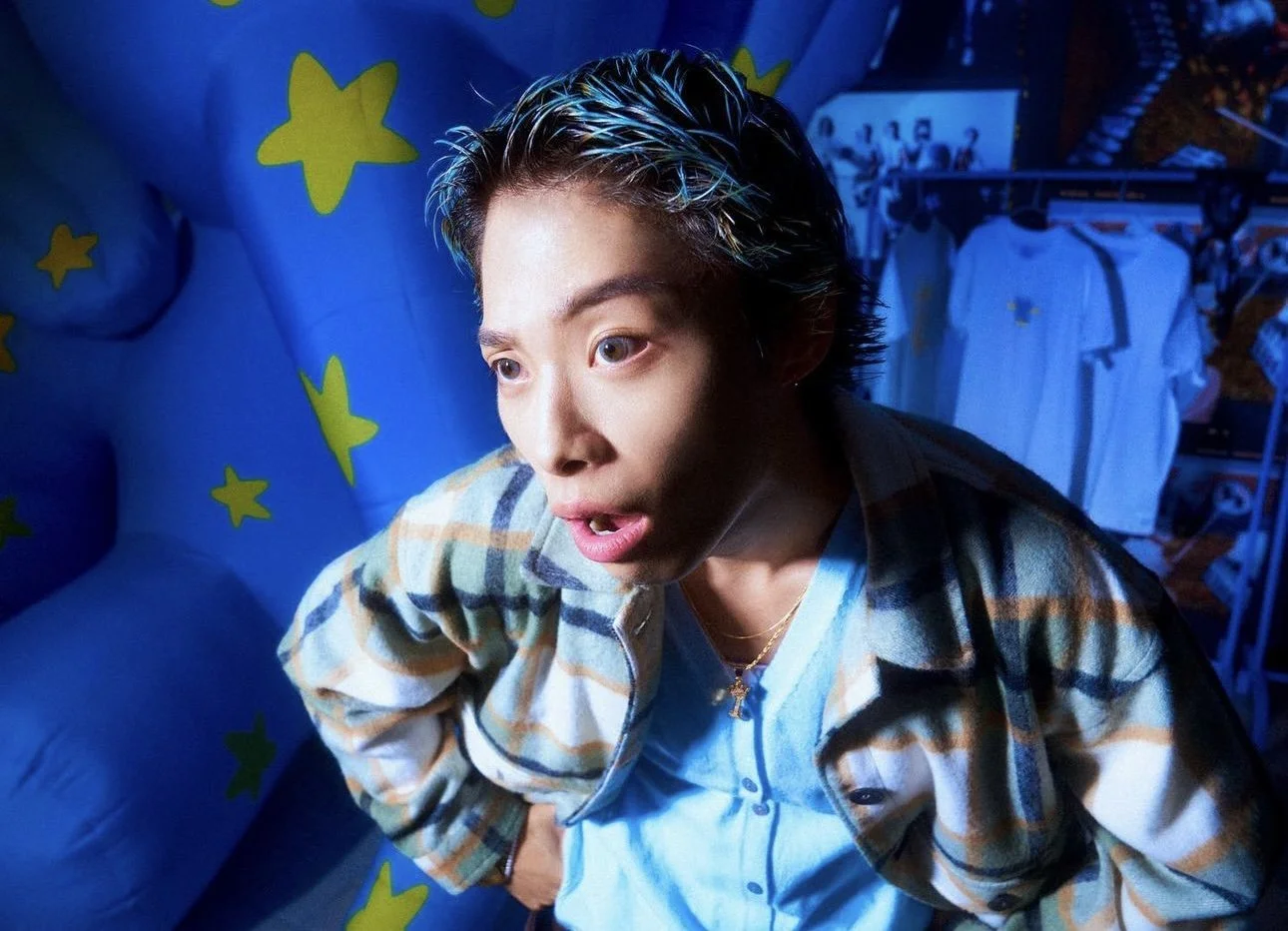
“I grew up learning how to accept and understand my feelings from my mom,” he says.
At the same time, his upbringing allowed for a kind of freedom that shaped his creativity—time spent in nature, observing, feeling, and expressing without structure. That openness became a habit, one that now carries into his music.
But alongside that freedom came unresolved experiences—moments that didn’t fully make sense at the time, but left an imprint.
And those moments don’t stay in the past. They resurface—through lyrics, through sound, through storytelling.
One of the most emotionally layered points in the conversation comes when discussing “Red Cheek Boys.” The track isn’t just a story—it’s a confrontation.
“It tells the story of my past… something that contributed to the emotional scars I carry today.”
He describes a memory rooted in vulnerability, naivety, and eventually, consequences he wasn’t prepared to face. What follows isn’t dramatized—it’s reflective. There’s a clear awareness of how that experience shaped him, and an effort to understand it rather than run from it.
“Through this song, I tried to capture those raw emotions and offer guidance to others.”
That intention—to turn personal regret into something useful for someone else—runs throughout the album.
Faith, Guilt, and Internal Conflict
As the conversation deepens, another layer emerges: the role of faith in how he processes his experiences.
“What we should truly fear is something more profound… like my relationship with God.”
It’s not presented as a clean resolution, but as an ongoing tension—between who he was, who he’s trying to be, and the expectations he carries internally. There’s guilt, but also awareness. Reflection, but not necessarily closure.
That complexity is what gives the project its weight.
Technically, Sunburnkids approaches music without formal training. There’s no structured system behind how he builds songs—just instinct and persistence.
“Finding chords and tunes was hard for me,” he admits. “But I knew what felt right.”
That intuition becomes his foundation. Even without traditional knowledge, he pieces together sounds in a way that aligns with his emotional intent. The process is less about perfection and more about honesty.
And that same honesty extends beyond the music itself.
One of the most distinctive aspects of Elephant in the Room is the involvement of children—both creatively and conceptually. Their drawings, their stories, and their perspectives are embedded into the project.
“I realized I should put my life out there without hiding anything,” he says. “So I did.”
Working with them didn’t just influence the visuals—it reshaped his approach. Their openness became a mirror, pushing him to be more transparent in his own work.
At the same time, he wrestled with the responsibility of including them.
“I didn’t want to exploit their art,” he explains.
That hesitation reflects a broader theme: awareness. Every decision feels considered, not just creatively, but ethically.
When talking about his younger brother—who appears in the “Red Cheek Boys” music video—there’s a noticeable shift in tone.
“I feel like I am responsible,” he says.
It’s not just about representation—it’s about recognition. Seeing parts of himself reflected in someone younger forces a kind of accountability, a desire to redirect what might otherwise repeat.
“I didn’t want him to have the same habits I’m still struggling with.”
That moment ties back into the album’s larger purpose: not just expression, but interruption. Breaking cycles before they continue.
Art as Empathy, Not Performance
At its core, Sunburnkids’ work isn’t about presentation—it’s about connection. Specifically, making sure people don’t feel alone in what they carry.
“I thought I was the only one with these flaws,” he says. “I don’t want others to feel that way.”
That perspective shapes how he talks about difficult conversations. For him, openness isn’t optional—it’s necessary.
“It’s the first step to empathy.”
And that belief carries into how he hopes people receive the album—not as something polished, but as something real.
Looking back, what stands out to him isn’t the final product—it’s everything that led to it.
“I realized that I love the process more than the result.”
There’s something almost quiet about that realization. It reframes success—not as recognition, but as completion. Not as validation, but as expression.
For Sunburnkids, the album was finished long before it was released—because the intention behind it had already been fulfilled.
Sunburnkids Is Still Figuring It Out
There’s no sense of finality in how he talks about the future. No rigid plan, no defined trajectory.
“I’ll make art when my life can prove my lyrics.”
It’s an approach rooted in patience—waiting until there’s something real to say, rather than forcing output for the sake of consistency.
And maybe that’s what makes this project resonate.
Because Elephant in the Room doesn’t feel like an attempt to have all the answers.
It feels like someone finally willing to say the question out loud.