SocalledJay on Doubt, Late Nights, and Letting R&B Speak First
By. Alicia Zamora
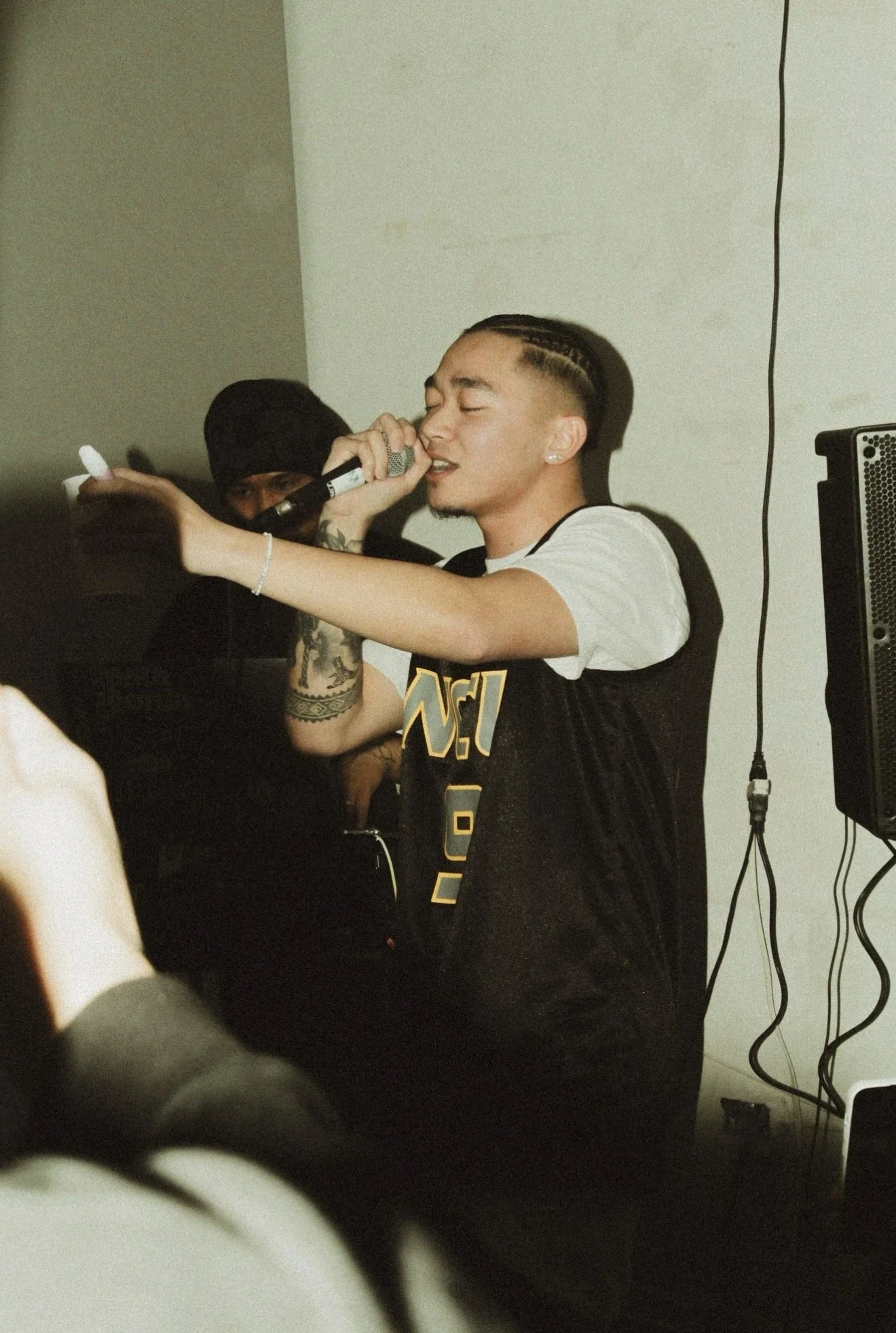
SocalledJay Is Learning to Trust the First Take
Whatever it is, the way you tell your story online can make all the difference.
Meet SocalledJay through this exclusive interview for Alicia’s Studio, where the conversation begins with GOT IT and quickly expands into something less about individual releases and more about the emotional conditions they were made in. What emerges isn’t a neatly defined artistic arc, but a portrait of someone still learning how to fully trust their own instincts in sound.
Since beginning his music journey just a few years ago, Jay describes a process that started almost accidentally — a first track made with friends, uploaded without expectation, and unexpectedly received with encouragement that shifted his trajectory. What followed wasn’t a sudden transformation into a polished artist, but a slow accumulation of moments that made continuing feel inevitable.
“I didn’t think I could really make music at first,” he says. “Then people just… reacted to it differently than I expected.”
That early validation didn’t erase uncertainty. If anything, it sharpened it. Jay speaks openly about the tension between momentum and doubt — the feeling of building something in public while still questioning whether each step is justified.
As he puts it, “Any progress is good progress,” though the phrase lands less like confidence and more like something learned through repetition.
Across his work, R&B serves as both foundation and filter. Artists like Tory Lanez, Bryson Tiller, and Jhené Aiko sit underneath his sound, not as references he’s chasing, but as a language he grew up inside of. Even when his tracks lean into more explicit, late-night energy, there’s a consistent emotional throughline: instinct over structure, feeling over polish.
When asked about GOT IT, Jay laughs before answering, immediately acknowledging its tone without hesitation.
“It’s a very sexual song,” he says plainly, adding that it wasn’t originally intended to be released at all. In fact, he describes it as a track that only made its way out because of external pressure, friends pushing it forward while he was still unsure where it belonged in his catalog.
That dynamic — instinct versus outside input — appears often in his process. Not in conflict exactly, but in negotiation.
He doesn’t over-structure his songwriting. Some days, he says, a track takes thirty minutes. Other times, it stretches across a week. The difference, more often than not, comes down to mood.
“If I’m in it, it just comes out,” he says. “If I’m not, I can’t force it.”
There’s no elaborate system behind it, no fixed ritual. Just repetition, intuition, and waiting for the right emotional register to align with the record.
Pressure, Perception, and the Early Internet Era
Jay’s early growth was shaped heavily by TikTok — a space where covers turned into visibility, and visibility turned into expectation. He describes it without nostalgia, more as a structural fact of how his career began.
That early exposure created momentum, but also a lingering awareness of perception. He’s candid about moments of doubt, about questioning decisions after the fact, and about feeling like he missed certain opportunities at the wrong time.
Still, milestones have accumulated: a million streams on Spotify, growing social platforms, and a steady increase in live performance experience.
He lists them almost matter-of-factly.
“I guess it’s been small things,” he says.
It isn’t self-deprecation so much as recalibration — an attempt to keep scale in perspective while still moving forward inside it.
For Jay, the most important boundary isn’t stylistic, it’s personal. Despite growing visibility, he resists the idea of stepping into a separated identity as an “artist figure.”
When asked what he wants people to think when they hear SocalledJay, his answer is immediate.
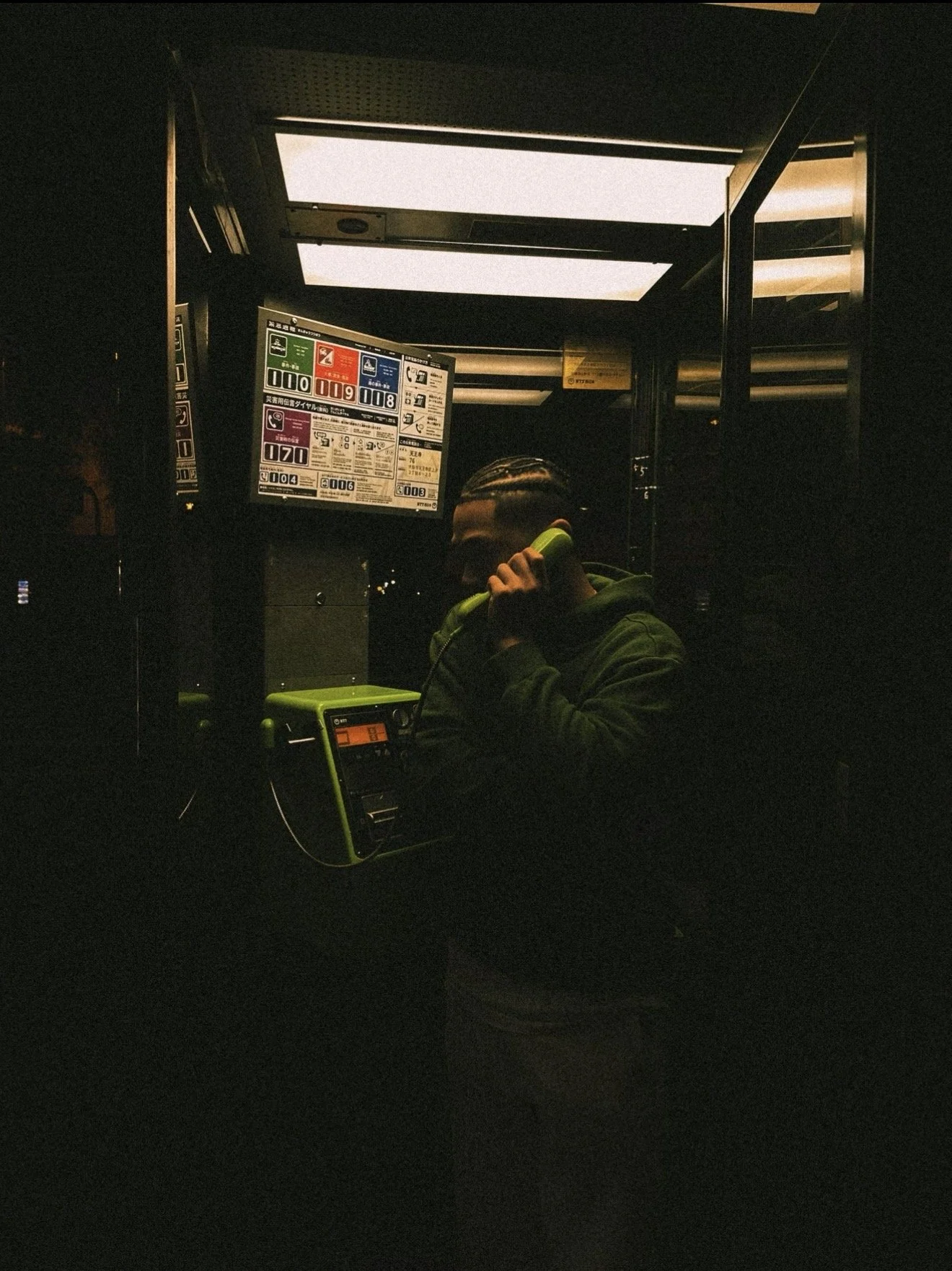
“Just a normal person,” he says. “Someone who makes R&B music. That’s it.”
He expands on it briefly, pushing back against the distance he sometimes sees between audiences and artists. Not out of criticism, but preference — a desire to remain within reach of the same space he came from.
That philosophy extends into how he talks about collaboration. He’s worked on unreleased material with artists like Jay Word, and hints at more cross-genre experimentation ahead, though he frames everything cautiously — not withheld, just not rushed.
“There’s more coming,” he says. “I just haven’t dropped it yet.”
Before the interview closes, Jay briefly circles back to what’s next: a single titled On You, set for release this summer. He doesn’t frame it as a reinvention or a turning point — more as another entry in a process still unfolding in real time.
Like much of his work, it sits between instinct and intention, shaped less by long-term planning and more by whatever emotion is loudest in the moment it was created.
There’s a quiet consistency in how he describes his career so far: not as a defined path, but as accumulation — songs, reactions, doubts, and small wins layered over time.
And if there’s a throughline, it isn’t certainty.
It’s continuation.