Ji Chanel on “Locked Up,” Early-Stage Obsession, and Learning to Follow the Song First
By. Alicia Zamora
Ji Chanel Is Learning to Trust Instinct Over Structure
In an exclusive interview conducted by Alicia’s Studio, Ji Chanel opens up about a creative path that didn’t begin with industry intention, but with something far more ordinary: karaoke nights that slowly turned into something he couldn’t ignore. What follows is a conversation that moves between beginnings, uncertainty, and the quiet discipline of building a sound without fully knowing where it will land.
From the outset, Ji describes music less as a career decision and more as something that gradually became unavoidable.
“I used to go to karaoke with my friends every day when I was a kid,” he says. “That’s when I realized I loved music.”
That early connection eventually evolved in high school, when he joined a hip-hop crew with a friend. What started as casual experimentation slowly turned into consistency — not a sudden leap into artistry, but a steady accumulation of repetition, curiosity, and instinct.
Even now, Ji resists framing music as something he consciously steps in and out of. Instead, he describes it in more physical terms.
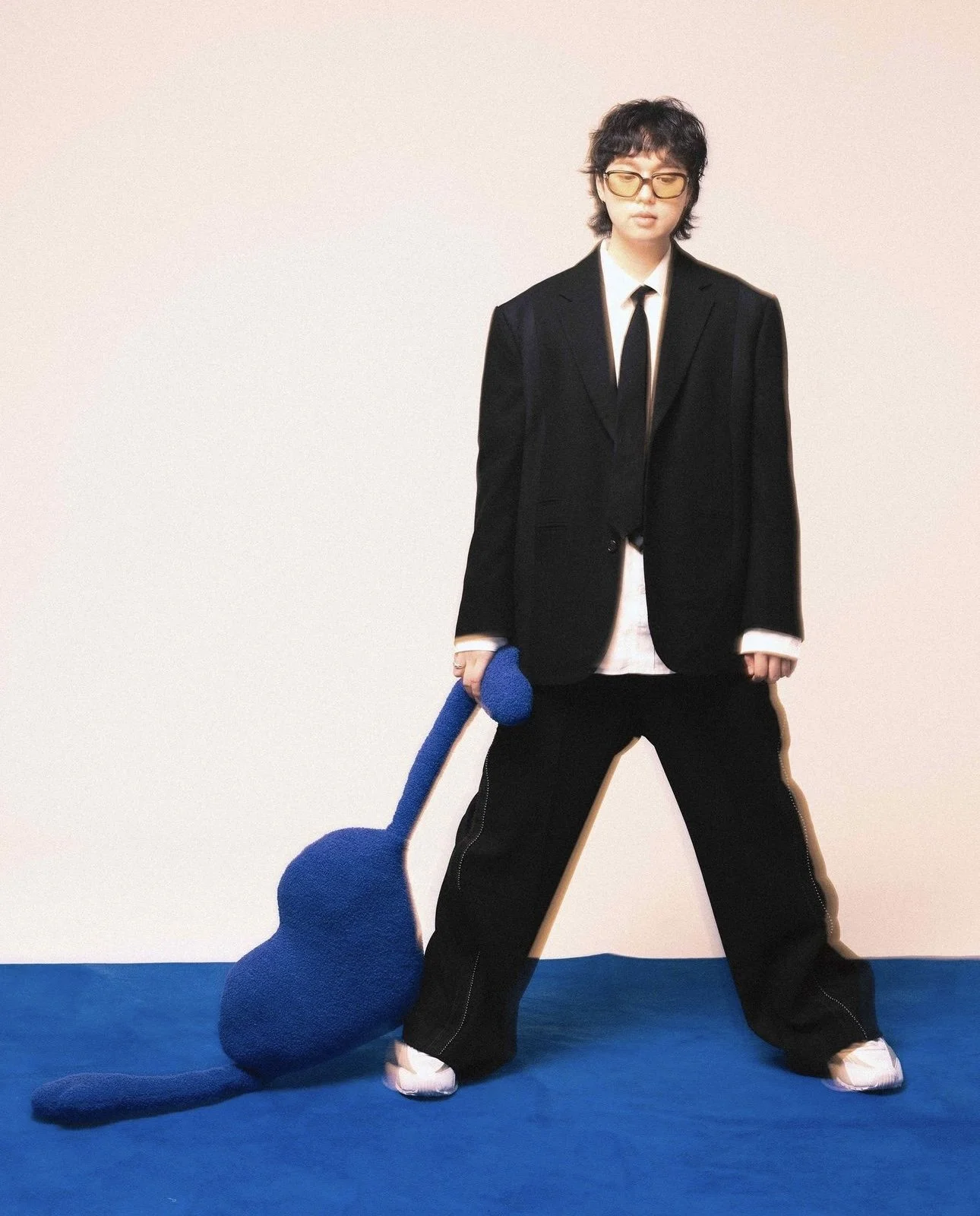
“Music is my friend,” he says. “It’s like breathing for me.”
Ji’s recent single “LOCKED UP” sits in a space he describes as emotionally familiar, but mentally unresolved. The track, rooted in unrequited love, is built around the tension of imagination overtaking reality — the internal loop of wondering, projecting, and over-reading silence.
When asked about its inspiration, he doesn’t overcomplicate it.
“It’s about being trapped in your own delusions,” he says. “Wondering if the other person likes you or not.”
What stands out isn’t just the theme itself, but how directly Ji connects emotional confusion to sound. His approach to songwriting begins with humming melodies first, then building meaning around them — as if the emotional tone arrives before the language ever does.
The production process follows a similar logic: structure comes after instinct. He describes finishing most of a track before stepping back to map its direction — mood, concept, emotional trajectory — almost like organizing thoughts after they’ve already been felt.
“I kind of make a mind map after,” he explains. “Mood, concept… where it should go.”
The result is music that feels assembled in layers rather than written line by line — less constructed, more uncovered.
“JUST DO IT” as Method, Not Motto
There’s a recurring simplicity in how Ji talks about decision-making in his career. When asked what he has learned about himself through music, he doesn’t reach for abstraction or metaphor.
“JUST DO IT,” he says.
It’s less branding than survival logic — a response to overthinking, hesitation, and the constant internal negotiation that comes with being early in a creative path.
That same instinct appears when he talks about artistic direction. Rather than defining a fixed sound, Ji describes a willingness to move with intuition, even when it’s unclear where that movement leads.
“I’ve decided to just go where my heart leads me,” he says.
The uncertainty isn’t framed as instability, but as process.

Ji is careful not to overstate milestones, even when asked directly about achievements. Instead, he returns to progress itself — the quiet comparison between past and present.
“My greatest achievement is that my musical abilities keep improving,” he says. “It’s refreshing to see the progress.”
That focus on gradual improvement extends into his ambitions. While he names a long-term goal of reaching No. 1 on the Billboard charts, he frames it less as an endpoint and more as a direction, something moving in the distance rather than something already defined.
In the short term, his focus is simpler: making his name recognizable in Korea before expanding outward.
Long-term, he looks toward international reach — but without urgency, more like continuation.
One of the more revealing moments in Ji’s story comes when he reflects on early, improvised recordings — sneaking into a music academy with a friend, writing lyrics overnight, and recording vocals directly onto a phone.
There’s no nostalgia in the way he tells it, just recognition.
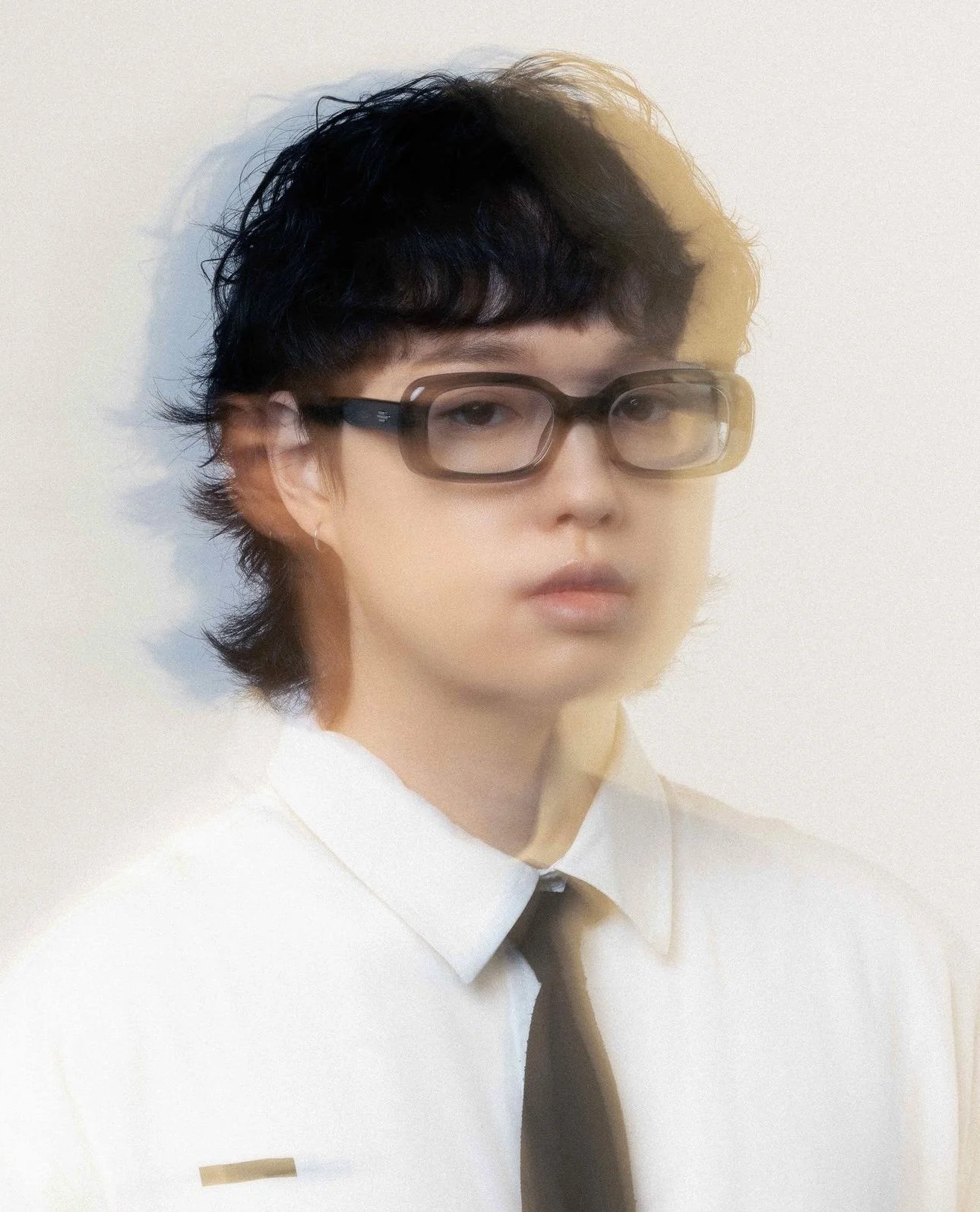
“It wasn’t convenient,” he says. “But it’s a cherished memory.”
It’s a reminder that before structure, there was improvisation. Before clarity, there was access — however temporary or makeshift.
Ji’s upcoming work continues along a similar trajectory: steady release, gradual expansion, and experimentation still in motion. He hints at new music arriving soon, alongside a growing interest in collaboration — including a desire to work again with Heize.
It’s a reminder that before structure, there was improvisation. Before clarity, there was access — however temporary or makeshift.
Ji’s upcoming work continues along a similar trajectory: steady release, gradual expansion, and experimentation still in motion. He hints at new music arriving soon, alongside a growing interest in collaboration — including a desire to work again with Heize.
But even as future plans begin to form, he resists defining himself too early. When asked which of his songs best represents him, he doesn’t choose from his released catalog.
“It’s in an unreleased song,” he says. “That will come out someday.”
The answer feels consistent with everything else he’s said — a reluctance to finalize identity before the work itself has finished speaking.
Ji Chanel Is Still Becoming
There’s a quiet thread running through Ji Chanel’s perspective: music as something ongoing rather than something achieved. Not a destination, but a continuous adjustment between instinct, emotion, and execution.
And if there’s a defining idea behind “LOCKED UP,” it may not just be romantic confusion or emotional projection — but the act of learning how to step out of your own mental loops long enough to hear what the music is trying to become.
Because for Ji Chanel, the work isn’t finished.
It’s still unfolding.