Samuel Seo on Instinct, Independence, and Letting Music Lead
By. Alicia Zamora
Samuel Seo Wasn’t Supposed to Be Here—And That’s Exactly the Point
Meet Samuel Seo through this exclusive interview for Alicia’s Studio, where we sit down to talk about his path into music, creative independence, and the mindset that’s shaped his career across songwriting, production, and performance. What starts as a conversation about beginnings quickly shifts into something broader—about discipline, freedom, and what it really takes to sustain a life in music.
Seo doesn’t frame his story as a dramatic leap into artistry. If anything, he describes it as something that happened quietly, almost by accident. Growing up in an Asian household, he assumed his future would follow a more traditional route.
“I thought I would become like a lawyer or a doctor,” he says. “Not really something I questioned at the time.”
That trajectory changed when he returned to South Korea and found himself struggling within a different academic system. What could have been a setback instead redirected him toward composition—something that had been sitting in the background of his life since childhood.
“I had been playing piano since I was about five,” he explains. “So it wasn’t completely random. It was something I stumbled into, but also the only thing I really felt drawn to.”
There’s no sense of hesitation when he talks about that shift. If anything, it feels inevitable in retrospect—less a decision, more a recognition of something that had always been there.
No Framework, No Pressure
Seo’s approach to music doesn’t rely on fitting into a single genre or identity. His catalog moves freely—R&B, electronic, pop, experimental textures—without signaling a need to belong anywhere specific. When asked if that ever creates a sense of not fitting in, his answer is immediate.
“I think I just have pretty niche musical taste,” he says, laughing. “I don’t like being confined to a certain framework. I just choose what I like.”
That philosophy isn’t framed as rebellion—it’s practical. For Seo, the goal isn’t to chase a sound, but to trust that consistency in taste will eventually resonate.
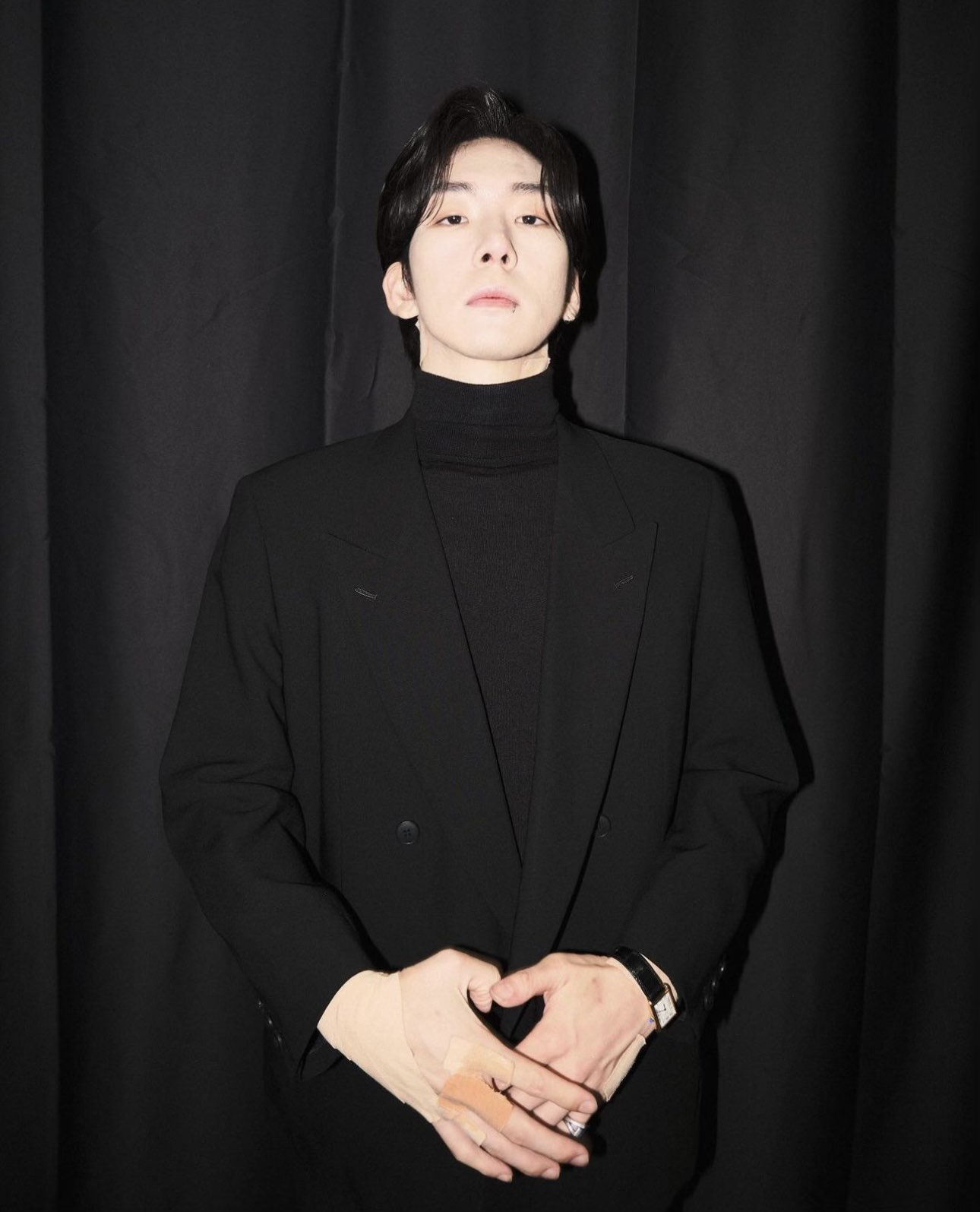
“If I keep doing that, I believe it’ll connect with someone around the world. So I don’t really feel pressure.”
That absence of pressure shows up repeatedly in how he talks about his work. While many artists describe balancing multiple roles—writing, producing, performing—as overwhelming, Seo sees it differently.
“I’ve never really felt overwhelmed,” he says. “If anything, it just confirms that I made the right decision.”
On Survival and Staying Grounded
Where Seo becomes more direct is in how he views the industry itself. The conversation shifts from personal process to something more grounded—what it actually means to sustain a career in music.
“I think with music, you shouldn’t start unless you’re ready to give everything to it,” he says. “A lot of people get into it because they had talent when they were younger, or because it seemed cool… but it’s not really a realistic choice in terms of survival.”
For him, recognition and stability are separate conversations entirely.
“Becoming known and achieving financial stability are completely different things,” he explains. “If you want to survive, you need your own path. Don’t start by chasing money, and don’t rely too much on other musicians.”
It’s not said harshly, but it’s firm—experience speaking more than theory.
If there’s one idea that defines Seo’s relationship with music, it’s consistency—not in sound, but in direction. He doesn’t describe burnout, and he doesn’t frame the work as exhausting. Instead, he returns to something simpler.
“I don’t think I’ve ever been exhausted,” he says. “In the ten years I’ve been doing this, I realized there isn’t much to overthink. You just keep moving forward within what you love.”
That forward motion, for him, is where the freedom exists.
“The freedom within that is what I love the most,” he says. “Of course, there are times when things come together easily and times when they don’t. But outside of that, there isn’t much to feel pressured about.”
By the end of the conversation, what stands out isn’t just Seo’s versatility or experience—it’s his clarity. There’s no overcomplication, no attempt to frame his journey as something bigger than it is. Just a steady commitment to the work, and the understanding that, for him, that’s enough.
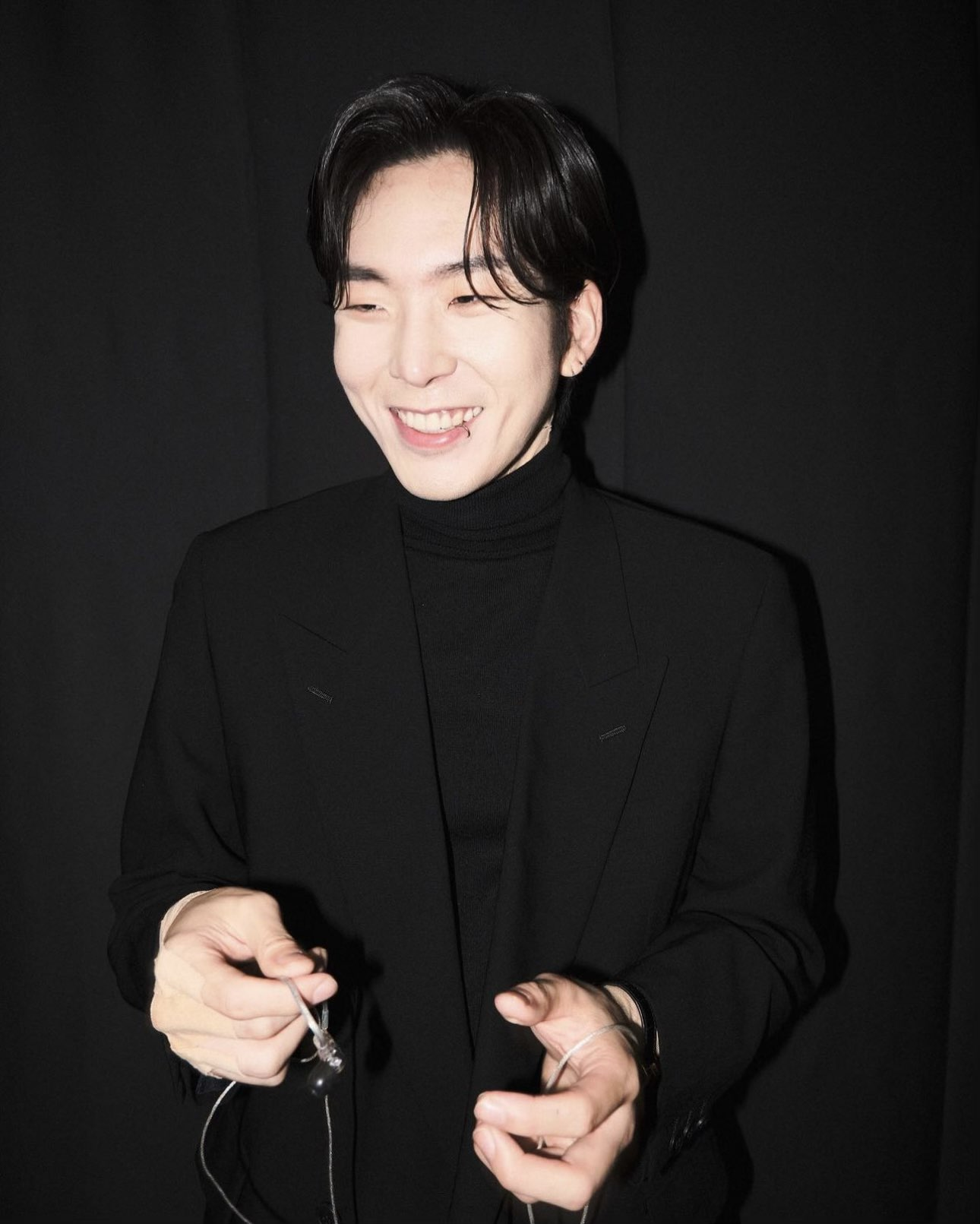
When the conversation shifts to process, Samuel Seo doesn’t answer immediately. There’s a pause—brief, but noticeable—like he’s recalibrating the question in real time.
“Give me like five seconds,” he says, laughing.
It’s a small moment, but it says a lot about how he approaches music now. Nothing feels automatic anymore.
Where he once pulled inspiration directly from other artists, that focus has shifted in a way that’s more technical—and more intentional.
“I used to get a lot of inspiration from musicians,” he explains. “But these days, I think I’m more inspired by recording or mixing engineers.”
It’s not the obvious answer, but it makes sense when he breaks it down. Watching how engineers shape sound—how they build atmosphere within a track—has made him rethink his own role as an artist.
“Seeing how they try to capture the atmosphere of a recording by genre… it made me realize that’s something I’ve been missing.”
As music becomes more accessible and easier to produce, he points out, the focus has started to shift.
“Now it’s more about making something easy to listen to and memorable, instead of focusing on the emotional essence of the scene,” he says. “So watching people who really care about that part—it inspires me a lot.”
That shift in mindset has changed how he works, too. What used to be instinctive is now more deliberate—sometimes to a fault.
“I used to not think much and just create,” he says. “I could finish a song in a day.”
Now, that pace feels almost impossible.
“These days, I think a lot. I think a lot—and then I create,” he says. “So it takes about a month for each song. Sometimes longer.”
In some cases, much longer.
“There’s one song for my fourth studio album that’s taken almost a year,” he admits.
For Seo, the focus has moved away from speed and toward detail—specifically arrangement and tone.
“The arrangement and the tone of the instruments are more important to me now,” he says. “You’ll understand what I mean when the album drops.”
Love Eventually and Redefining What Love Means
That level of introspection carries directly into his 2023 EP, Love Eventually—a project rooted in something far more personal than concept or experimentation.
“It’s kind of obvious,” he says. “It’s the person I’m dating right now.”
Before that relationship, he admits, he wasn’t drawn to overtly emotional or “cringey” expressions of love. But that changed quickly.
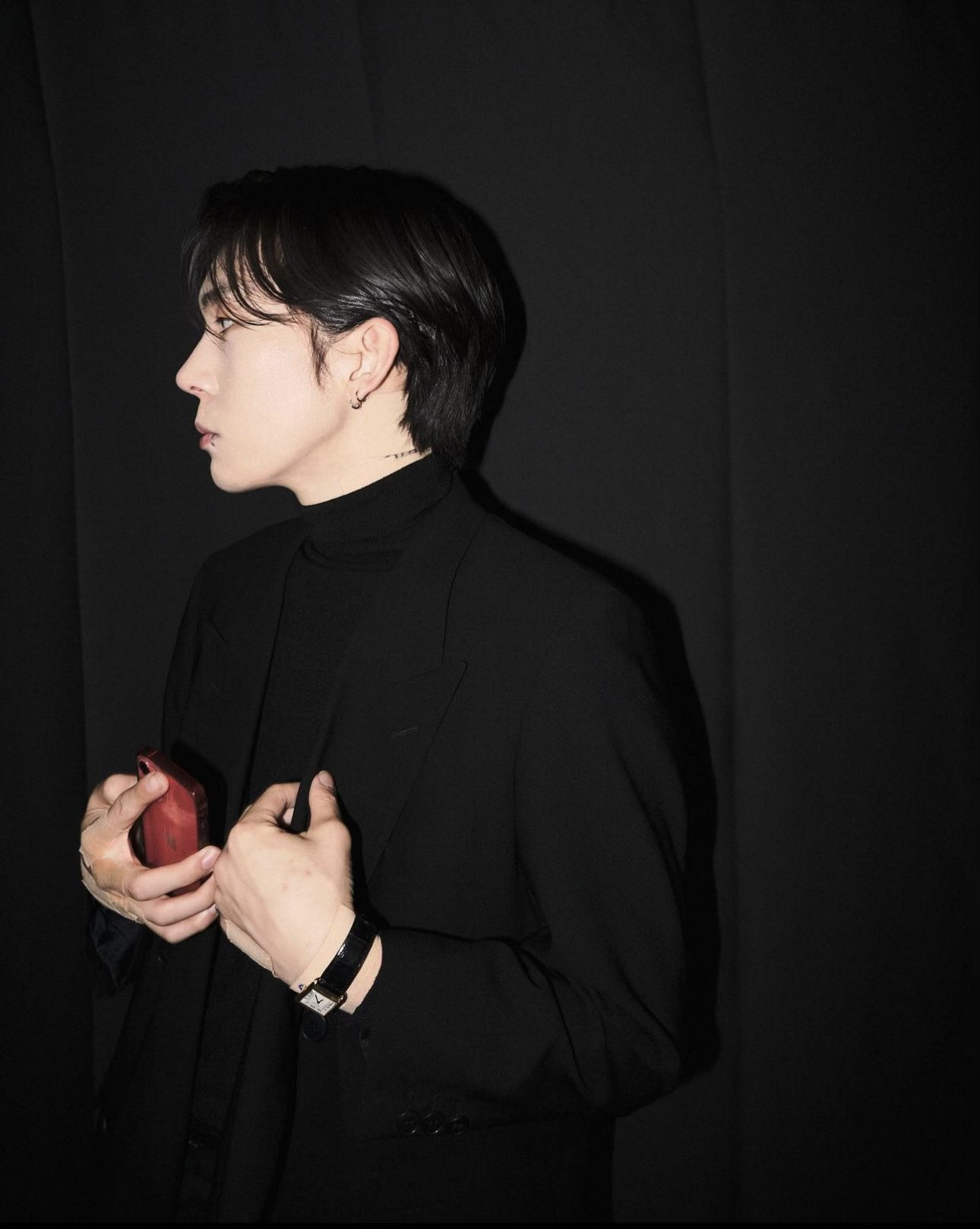
“Everything shifted after I met her,” he says. “I started to reconsider what love actually is—and even what life is.”
That shift didn’t just inspire love songs—it reframed how he understood his own relationship with music.
“I realized that what I thought I loved about music was actually just obsession,” he says, referencing the EP’s closing track, “I did not love you.”
He laughs it off slightly, but the meaning lands.
“It’s basically about thinking I was in love with music… and realizing I wasn’t.”
Looking ahead, Seo is still deep in the process of his fourth studio album—a project he’s been working on for the past four to five years.
“There’s nothing specific coming out right now,” he says. “It’s still a work in progress. I don’t know exactly when it’ll be released, but probably sometime this year… I think.”
When it comes to collaboration, though, his stance is clear—and a little unexpected.
“I’d rather not have anyone interfere,” he says, laughing. “My taste is pretty niche.”
For Seo, making music is deeply personal—something he prefers to build entirely on his own.
“I don’t want to attach my name to something I didn’t create myself,” he explains. “Of course, there’s synergy when you work with other people—but there’s already too much of that.”
What he’s after is something more distinct.
“I want people to hear my name and immediately feel something specific.”
Still, there’s one exception.
“If I had to choose, it would be Dok2,” he says. “That’s probably the only person I’d want to work with.”
As the conversation winds down, Seo shifts into something more direct—offering advice for artists trying to find their way in the same space.
“Have a career of your own,” he says plainly. “Don’t try to make money from the beginning.”
For him, longevity comes from independence—not shortcuts.
“And don’t start by selling your tracks to other artists,” he adds. “If you do that, you might end up with nothing.”
His advice is simple, but firm:
“Learn as much as you can about music. If you’re only good at one thing, you won’t survive.”
As for what’s next, Seo is careful not to overpromise—but there’s confidence in what he’s building.
“I’ve completed about fifteen tracks so far,” he says of his upcoming album. “I was aiming for around thirty, but I’ll probably narrow it down to about twenty.”
The next phase—recording and final arrangements—is set to begin soon.
“Just look forward to it,” he says. “It’s going to be amazing.”
And then, almost as an afterthought, he adds something else—another part of his world that runs parallel to the music.
“I’ve also been hosting a show on Arirang Radio,” he says. “Every day at 8 PM KST.”
The show, he explains, is entirely different from his own artistry—focused more on K-pop, trends, and what’s happening in the industry.
“It’s in English, too,” he adds. “So anyone can tune in.”
It’s a reminder that even as he builds something deeply personal in his own work, he’s still connected to the wider landscape—observing it, breaking it down, and, in his own way, shaping it.