Josh Rodarte on Instinct, Identity, and Building Music From the Ground Up
By. Alicia Zamora
Josh Rodarte Is Learning to Trust the Sound Before the Outcome
Meet Josh Rodarte in this exclusive interview for Alicia’s Studio, where we reconnect with the California-based musician following the release of his latest single “Without Me.” What begins as a conversation about process slowly opens into something more layered. It becomes about how identity forms through repetition, how influence evolves into something personal, and how he has learned to build music without waiting for permission or perfection.
Since first stepping into music as a teenager, Josh describes a path that was less about clarity and more about absorption. He started as a listener first. Someone deeply influenced by artists like The Smiths and The Cure. What stood out to him was not just their sound but the emotional directness in the writing and the way songs could feel both simple and heavy at the same time. Over time that listening turned into curiosity and curiosity turned into participation.
That shift did not happen in a straight line. It was shaped by early collaboration, trial and error, and a moment that quietly changed how he understood music as something physical rather than just something he consumed. He describes it as moving from being a fan of music to being inside it.
What follows is a conversation about instinct, discipline, and the space between control and letting go that defines his work today.
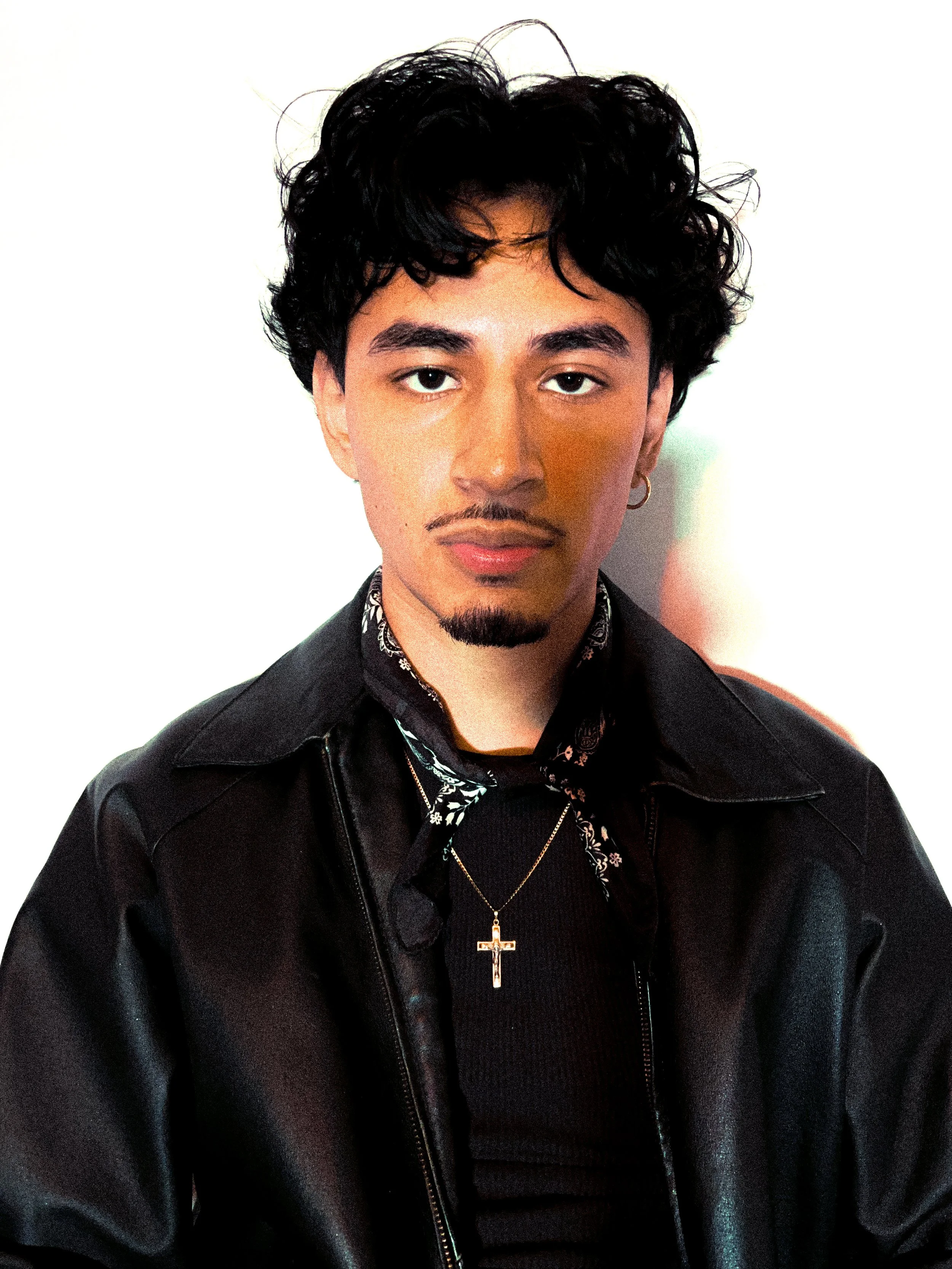
Josh traces the beginning back to being heavily influenced by music before he ever created it. He talks about being the type of listener who would go deep into artists, always trying to find something less obvious, something that felt like a discovery. That relationship with music was intense early on and shaped how seriously he eventually approached creating it.
A turning point came when he met someone during his teenage years who already had access to instruments and a place to play. Josh did not have equipment at the time. He was still learning what it meant to actually create something rather than just analyze it. They started jamming together and eventually formed a small duo that became his first real introduction to collaboration.
He remembers wanting to sing while playing piano and imagining a very specific version of himself as a musician. That version did not fully translate into what the group needed at the time. Instead, he was encouraged to pick up a guitar.
At first he rejected it completely. It was not the instrument he imagined for himself and he struggled with it in the beginning. He did not feel an immediate connection and admits he did not even enjoy it at first.
Over time that changed through repetition rather than inspiration. He describes it clearly. The more he stayed with it the more it became part of him.
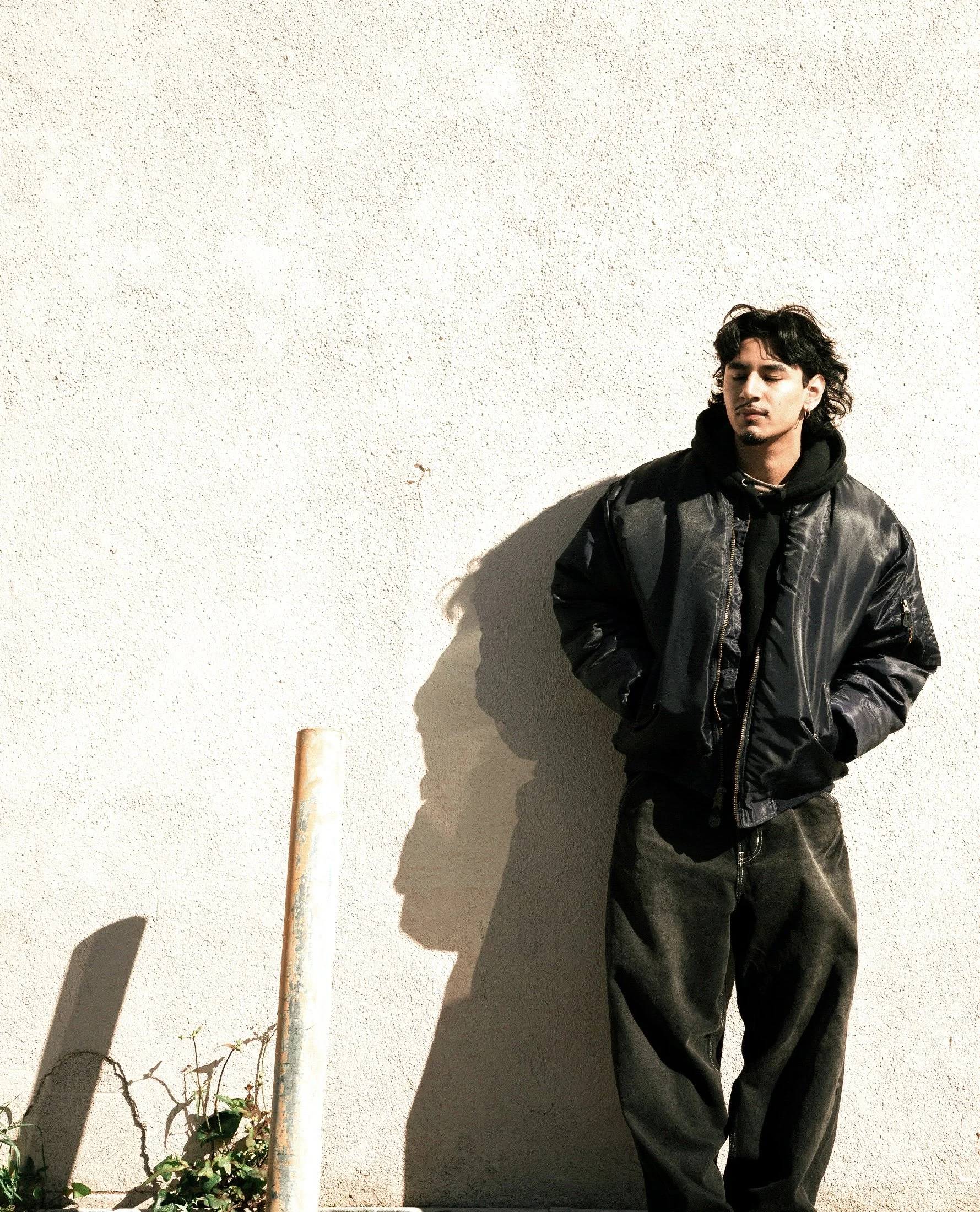
“I hated it at first but then I randomly fell in love with it. I think it is one of those things where when you spend so much time with something, you start to like it at least a little, especially if you care enough.”
That experience becomes a pattern in his story. Resistance turning into familiarity and familiarity turning into identity.
A One Person Process and Full Creative Control
Today, Josh works in a fully self-contained way. He writes, produces, performs, and structures everything himself. Guitar, bass, drums, vocals, lyrics, production, and sound design all come from the same place.
What might sound simple is actually highly layered. Each track is built from a single perspective without outside writers or shared production teams shaping the core idea. That approach is not just about independence. It is about clarity. He wants the music to feel like a direct extension of thought without translation loss.
“I am literally taking an idea from my brain and using just my two hands to fully bring it to life. It is just me. One man band type of deal.”
That level of control changes how his music exists in the world. It is not filtered through multiple voices. It is immediate and personal, even when the production feels polished or structured.
He also reflects on an earlier phase where he experimented with rapping. It was something he eventually moved away from, not because of technical limitations, but because it did not connect the way he expected it to socially or creatively.
“I knew my rap era was over when my homies were not messing with it in the car. I was like yeah that is it.”
There is humor in the moment but also a kind of honesty about how real-time reaction can quietly redirect an entire creative path.
“Without Me” becomes the clearest reflection of where Josh is right now. The track is built around simplicity, with guitar, bass, and drums carrying most of the structure. Nothing feels overcrowded. Instead, the focus is on tone and emotional weight.
He describes it as one of his strongest representations of his sound so far. It stretches his vocals more than previous work and leans into a more open emotional delivery while still staying grounded in structure.
“It really shows off a lot vocally. I am getting up there in terms of the octave I am singing at. It also has a classic sound for me, just guitar, bass, and drums. That is kind of my signature.”
There is also a clear lineage of influence present in how he thinks about the song. He references admiration for Michael Jackson and Prince not as imitation but as frameworks for emotional precision and performance discipline.
Those influences show up less in sound and more in approach. How a vocal is placed. How space is used. How emotion is carried without being overstated.
The result is a track that feels restrained but intentional. It does not try to fill every moment. It lets space do part of the work.

Identity Influence and Staying Grounded
Josh also speaks about identity in a very grounded way. As a Mexican American artist, he acknowledges that his perspective naturally carries both cultural and musical influence. It is not something he forces into every track but something that exists underneath his decisions.
Sometimes it appears through language. Sometimes through tone. Sometimes through mindset.
“I always try to incorporate that duality. Being Mexican American you have both.”
Still he resists framing himself as someone representing anything larger than his personal experience.
“I am just a Mexican kid who loves to sing and make music. That is the title I have always run with.”
That simplicity becomes central to how he defines success. Not expansion into something external but consistency with who he already is.
When asked about growth, Josh does not describe transformation in dramatic terms. Instead he describes it as a series of small adjustments and self-awareness over time.
“To me growth is just holding yourself accountable. Being a better person in any way you can and fixing the mistakes you made yesterday.”
It is a perspective that extends beyond music and into how he navigates decisions, creativity, and pressure. Growth is not about becoming someone new. It is about staying honest with who you are becoming.
Even when thinking about the future he avoids large claims or reinvention narratives. Instead he focuses on continuing to build work that feels aligned rather than forced.
What emerges from the conversation is not a story of arrival but a story of process. A musician still refining his own language through repetition instinct and reflection.